
Last Updated: September, 2026 | 11 minute read

Why SaaS Content Marketing Matters Now?
In early 2021, a mid-market AI SaaS tool had virtually no organic presence. Zero monthly visits. No content engine. By late 2024, they were pulling in over 60,000 monthly organic visits, ranking for more than 1,000 keywords, and generating 1,000+ daily unique visitors, all without relying on paid ads. Their secret was a disciplined approach to SaaS content marketing built around content clustering and buyer intent.
This isn’t an isolated story. An HR-tech SaaS implemented a full-funnel content marketing strategy combining B2B SEO and conversion rate optimization. Within six months, they saw organic traffic jump 175% and trial signups increase by 68%. These results came from content that was strategically aligned to what buyers actually needed at each stage of their journey. This approach is rooted in understanding the buyer's journey, the framework that maps the stages potential customers go through, from awareness to consideration to decision, allowing content to be tailored for maximum impact at each step.
So what exactly is SaaS content marketing? It’s the practice of creating and distributing educational, problem-aware, and product-aware content designed to attract, activate, and retain customers who pay recurring revenue. According to the Content Marketing Institute, content marketing is a strategic marketing approach focused on creating and distributing valuable, relevant, and consistent content to attract and retain a clearly defined audience, and for SaaS, this means guiding prospects through the buyer's journey and ongoing product lifecycle.
Why does this matter so much in 2026? Three forces are converging:
- Rising Customer Acquisition Costs: Average B2B SaaS CAC now sits around $1,200, with enterprise deals often exceeding $5,000. Content-driven acquisition channels typically deliver CAC closer to $480, a significant efficiency gain.
- Longer, More Complex Buying Cycles: The median SaaS sales cycle runs about 84 days. Mid-market deals ($25K–$100K ARR) often take 30–90 days, while enterprise deals stretch to 90–180+ days. More stakeholders are involved too, 6 to 12 decision-makers per deal on average.
- AI Search Is Changing Visibility: Generative Engine Optimization (GEO) and AI Overviews now appear for roughly 50% of desktop searches in some U.S. markets. Click-through rates are dropping even as impressions rise.
Here’s a stat that should focus your attention: B2B buyers consume an average of 13 pieces of content before selecting a vendor. That’s 13 opportunities to build trust, demonstrate expertise, and guide them toward your solution, or 13 chances for a competitor to win them over instead.
This article is a practical, sequential roadmap tailored specifically to SaaS companies. You won’t find generic “write more blog posts” advice here. Instead, you’ll learn how to build a content engine that drives signups, demos, and expansions, not just traffic.
What Is SaaS Content Marketing?
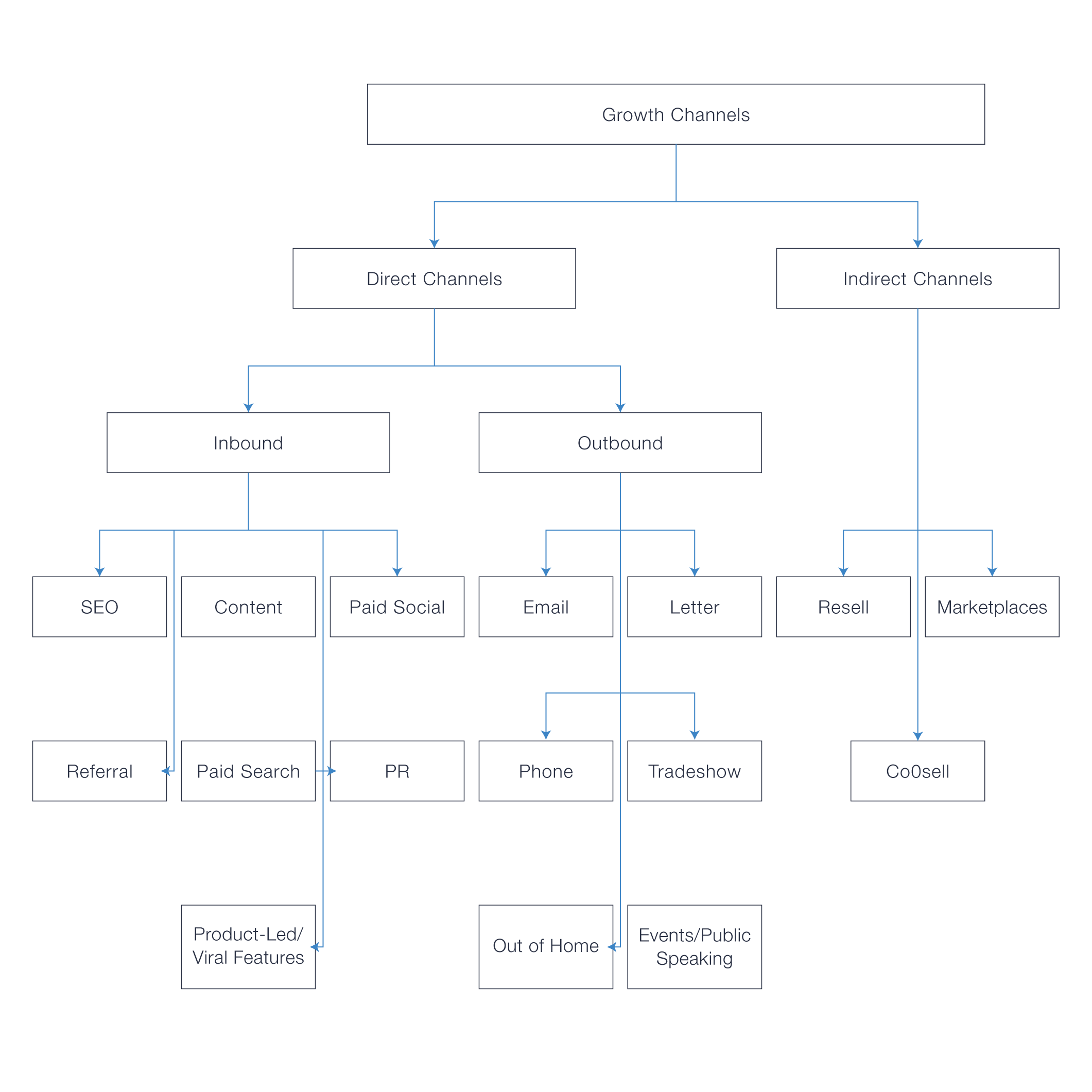
SaaS content marketing is the practice of creating and distributing educational, problem-aware, solution-aware, and product-aware content that attracts, activates, and retains recurring-revenue customers. 310 Creative's inbound marketing service is purpose-built for SaaS companies that want a full-funnel content engine driving predictable pipeline. Unlike content for one-off purchases, SaaS content must account for product evolution, ongoing education, and multiple buyer roles within a single account.
The difference from traditional content marketing is fundamental. A consumer goods brand might create content to drive a single purchase. A SaaS company needs content that supports the entire customer lifecycle: evaluation, onboarding, adoption, expansion, and advocacy. The revenue relationship doesn’t end at the first transaction, it continues month after month.
Understanding your buyer and mapping content to each stage of the funnel is essential - our guide on how to create a marketing funnel walks through this in detail.
Consider two concrete examples:
A payroll SaaS might deploy tax guides to capture awareness-stage traffic, payroll calculators for solution-aware prospects comparing options, comparison pages versus alternatives like Gusto or Paychex, and onboarding walkthroughs for newly released features. Each piece serves a specific stage and buyer need.
A DevOps tool could publish incident postmortems demonstrating how failures happen and lessons learned, runbook templates for platform engineers, performance benchmarks for technical evaluators, and leadership-focused content on reducing downtime costs. The same product, different content for different roles.
The SaaS content lifecycle looks like this:
|
Stage |
Buyer Mindset |
Content Focus |
|
Evaluation |
“What solutions exist?” |
Educational guides, comparisons |
|
Onboarding |
“How do I get started?” |
Setup guides, tutorials |
|
Adoption |
“How do I get more value?” |
Feature deep-dives, use cases |
|
Expansion |
“What else can this do?” |
Advanced workflows, integrations |
|
Advocacy |
“Should I recommend this?” |
Customer stories, community content |
Understanding search intent at each stage is crucial for developing content that meets buyers' needs and guides them through the process.
Effective SaaS content strategy maps content to every stage, not just initial acquisition. The companies winning in 2025 treat content as a product, iterating, measuring, and optimizing based on customer outcomes.
Why SaaS Content Marketing Is Different (and Harder)?
Imagine buying a coffee maker. You research for a few hours, maybe a day. You make the decision alone. You buy once, and the relationship with the brand largely ends.
Now imagine selecting a revenue operations platform for a 400-person SaaS company. You’ll spend 3–6 months evaluating options. Four to seven stakeholders will weigh in: the RevOps lead championing the initiative, the CFO controlling budget, the sales VP worried about implementation disruption, the IT director evaluating security, and end users who need to actually adopt the tool. Each has different questions, different objections, and different content needs.
This is why content marketing for SaaS businesses is fundamentally harder than traditional content marketing.
Key Differences That Complicate Content
- Recurring revenue pressure: Content must support retention and reduce churn, not just acquire new customers. A customer who churns after three months destroys the economics of acquisition.
- Complex implementation: Buyers worry about integration with existing tools, data migration, and team adoption. Content must address these concerns specifically.
- Multiple roles and personas: The same feature, say, data encryption, needs to be explained differently to CISOs (governance, risk, compliance) versus engineers (implementation, performance impact) versus procurement (cost implications, SLAs).
- Addressing pain points: Effective SaaS content must identify and address the specific pain points of each buyer persona to move them through the sales funnel.
- Constant product updates: SaaS products evolve continuously. New features, integrations, and UI changes mean content becomes outdated quickly and requires ongoing maintenance.
Consider a security SaaS selling to enterprise accounts. The CISO needs content about compliance frameworks, audit trails, and risk reduction. The security engineer needs technical documentation about API implementation and performance benchmarks. The CFO needs ROI calculators and case studies showing cost savings. Creating “one piece of content” to serve all three is a recipe for mediocrity.
This complexity is why generic blogging advice fails for SaaS. The content marketing efforts that work are deeply product-aware, technically accurate, role-specific, and continuously refreshed. The rest of this guide will show you how to build that kind of program.

Step 1: Anchor Your SaaS Content Strategy to Business and Revenue Goals
Most SaaS content fails for a simple reason: it’s not tied to revenue. Teams produce content because they think they should, not because each piece connects to a business outcome.
Start by translating company goals into content goals. If your company aims to add $3M in new ARR in 2025, work backward. How many closed deals does that require? How many SQLs? How many demos or trials? How much traffic at what conversion rate?
This reverse engineering gives you concrete content targets, not “publish more blogs” but “generate 150 trial signups from organic content this quarter.”
Goal Setting Varies by Company Stage
|
Company Stage |
Primary Content Objective |
Key KPIs |
|
Pre-seed/Seed |
Validate product-market fit, early trials |
Trial signups, activation rate |
|
Series A |
Build repeatable pipeline |
Demos, SQLs, organic traffic growth |
|
Series B+ |
Expansion revenue, reduce churn |
Expansion MRR, feature adoption, LTV |
|
Growth/Scale |
Market leadership, efficiency |
Revenue per content piece, CAC reduction |
An early-stage SaaS focused on net-new trials might prioritize bottom-of-funnel comparison pages and product-led tutorials. A Series B+ company with strong acquisition might shift toward customer success stories, feature adoption content, and expansion-focused guides.
Using Quarterly Objective and Key Results (OKRs)
Examples:
- “Increase BOFU organic demos by 40% by Q4 2025”
- “Reduce sales cycle length by 20% via content addressing common objections”
- “Drive 25% of expansion MRR from feature adoption content”
These OKRs become guardrails for every content decision. When someone proposes a new blog series, you can ask: “Which OKR does this support?” If the answer is unclear, deprioritize it.
The business goals you set here will shape everything that follows, your buyer research, content types, distribution strategy, and measurement framework. Get this step right, and the rest becomes clearer.
Step 2: Understand Your Real SaaS Buyers (Beyond Generic Personas)
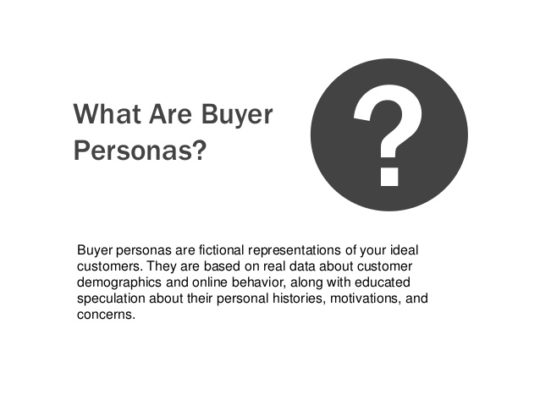
Generic personas like “Marketing Mary” or “Developer Dan” fail in SaaS because they flatten the complexity of real buying decisions. A 200-person SaaS buying a new platform has multiple people involved, each with different jobs-to-be-done and different objections.
Two-Part Framework for Buyer Understanding
Part 1: Identify Real Buyer Roles
- Economic buyer: Controls budget, cares about ROI and strategic fit
- Champion: Internal advocate pushing for your solution
- Users: Will actually work with the product daily
- Blockers: Security, legal, or IT stakeholders who can kill deals
Part 2: Define Jobs-to-Be-Done (JTBD) for Each
For each role, document:
- What outcome are they trying to achieve?
- What information do they need to make a decision?
- What objections or concerns do they have?
Where to Gather This Data
- Sales call recordings from 2022–2025 (look for patterns in questions and objections)
- Demo notes and lost deal analysis
- Support tickets (what confuses or frustrates users)
- NPS responses and customer feedback
- Product analytics (which features do different user types actually use)
Example Buyer Profile
Role: Revenue Ops Lead at a 200–500 person B2B SaaS in North America
Current stack: HubSpot and Salesforce, with manual reporting processes
JTBD: Needs accurate forecasting, less manual data wrangling, unified view across sales and finance
Key objection: “Implementation will disrupt our current processes during a critical quarter”
Content needs: Case studies from similar-sized SaaS companies, ROI calculators, integration deep-dives showing HubSpot/Salesforce compatibility
This profile shapes content directly. You’ll create case studies featuring 200–500 person SaaS companies. You’ll build integration guides for HubSpot and Salesforce. You’ll address implementation concerns head-on with content about phased rollouts and minimal disruption.
Your target audience isn’t a vague demographic. It’s specific roles at specific companies with specific problems. Identifying and understanding your target customers is essential for aligning your content and distribution strategies to their needs and preferences. The more precisely you understand them, the more effective your content creation becomes.
Step 3: Map the SaaS Customer Journey and Content Lifecycle
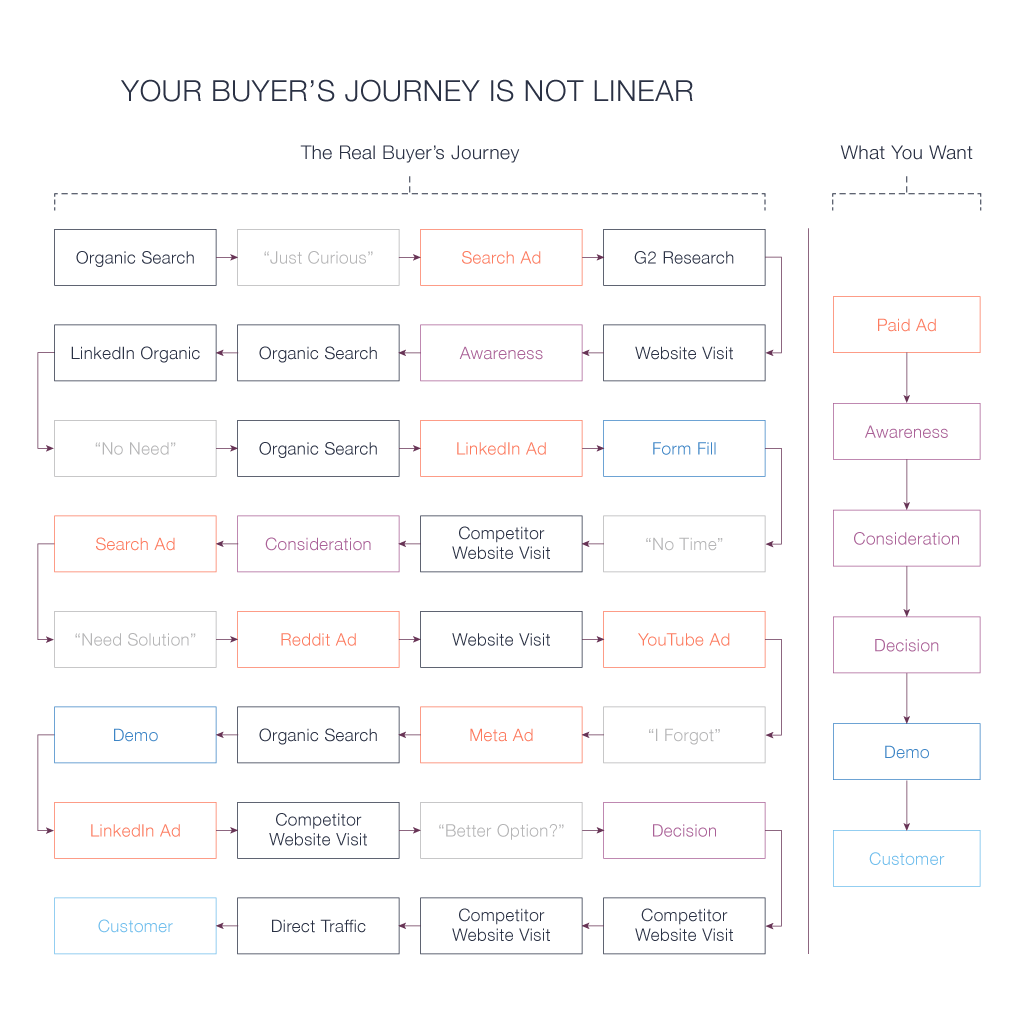
Before producing content, map the customer journey so you know exactly what content is needed at each stage. This map becomes the foundation for all content planning.
The SaaS customer journey typically has five stages:
1. Problem-Aware
The buyer recognizes they have a problem but doesn’t know what solutions exist.
Content types:
- Educational blog posts (“What is revenue operations?”)
- Glossaries and terminology guides
- Industry reports and benchmark studies
- Explainer videos
2. Solution-Aware
The buyer understands that solutions exist and is researching categories.
Content types:
- “How to” guides
- Best practices content
- Comparison of approaches (not products yet)
- Use-case overviews
3. Product-Aware
The buyer is evaluating specific products, including yours.
Content types:
- Comparison pages (“[Your product] vs [Competitor]”)
- Alternatives pages (“[Competitor] alternatives”)
- Product demos and walkthroughs
- Feature deep-dives
4. Decision
The buyer is ready to choose and needs final validation.
Content types:
- Case studies and customer success stories
- ROI calculators
- Free trial or sandbox experiences
- Implementation guides
- Security and compliance documentation
5. Post-Purchase (Onboarding, Adoption, Expansion, Advocacy)
The customer has purchased and needs to succeed with your product.
Content types:
- Onboarding tutorials and checklists
- Feature adoption guides
- Advanced workflow content
- Customer community content
- Referral and advocacy programs
Concrete Journey Map Example: Customer Success Platform
|
Stage |
Buyer Action |
Content Touchpoint |
|
Problem-aware |
Searches “how to reduce customer churn” |
Blog: “7 Data-Backed Strategies to Reduce SaaS Churn” |
|
Solution-aware |
Searches “customer success software vs CRM for upsells” |
Guide: “When You Need CS Software vs. CRM Expansion Tools” |
|
Product-aware |
Searches “[Your product] vs Gainsight” |
Comparison: “Complete Comparison: [Product] vs Gainsight for Mid-Market SaaS” |
|
Decision |
Needs proof it works |
Case study: “How [Similar Company] Reduced Churn 34% in 6 Months” |
|
Post-purchase |
Onboarding |
Tutorial: “Setting Up Your First Customer Health Score in 15 Minutes” |
|
Expansion |
Advanced usage |
Guide: “Advanced Playbook Automation for Enterprise Accounts” |
The rest of your SaaS content marketing strategy builds on this map. Every piece of content should have a clear stage assignment. Every gap in the journey represents a content opportunity.
Step 4: Choose SaaS-Specific Content Types That Actually Move Pipeline
Here’s a mistake many SaaS brands make: they start content production at the top of the funnel with awareness-stage blog posts, then wonder why traffic doesn’t convert.
Start from the bottom of the sales funnel and work upward. Decision-stage content converts. Awareness content fills the pipeline. If you have no conversion content, you’re filling a bucket with a hole in it.
For example, when creating use case pages, you can feature how your project management tool helps marketing teams streamline workflows or assists IT departments in managing complex projects. This demonstrates the value of your SaaS product for specific roles or industries and can drive more targeted conversions.
Core SaaS Content Formats
- Comparison Pages: Direct comparisons between your product and competitors. These capture high-intent searchers actively evaluating options.
- Example: A creative intelligence SaaS created comparison pages for each major competitor, resulting in significant increases in demo requests.
- Alternatives Pages: Target searches like “[Competitor] alternatives” to capture buyers unhappy with current solutions.
- Example: “[Competitor] alternatives for mid-market SaaS” targeting buyers looking to switch.
- Use Case Pages: Show how your product solves specific problems for specific roles or industries.
- Example: “How marketing teams use [Product] to reduce reporting time by 70%”
- Calculators and Interactive Tools: Let prospects quantify value themselves. ROI calculators, cost comparators, and assessment tools.
- Example: Payroll SaaS tax calculators that show potential savings, or workflow automation tools showing time saved.
- Implementation and Product Tutorials: Detailed guides for getting started and maximizing value. Critical for adoption and retention.
- Example: Step-by-step integration guides for connecting with popular tools in your category.
- Webinars and Video Content: Mid-funnel engagement that builds trust and demonstrates expertise.
- Example: Monthly workshops on solving category-specific problems, with product demonstrations woven in naturally.
- Case Studies and Customer Success Stories: Proof that your product delivers results. Critical for decision-stage buyers.
- Example: “How [Customer] Achieved [Specific Result] Using [Product]”
- Product-Led Tutorials: Content that shows the product in action solving real problems, not just abstract feature lists.
- Example: “Build Your First Sales Dashboard in 10 Minutes” with embedded screenshots and GIFs.
Matching Formats to Lifecycle Stage
|
Format |
Best For |
|
Comparison/alternatives pages |
Initial acquisition (decision stage) |
|
Use case pages |
Mid-funnel nurturing |
|
Calculators/tools |
Decision stage, lead generation |
|
Case studies |
Decision stage validation |
|
Implementation guides |
Onboarding, adoption |
|
Product tutorials |
Adoption, expansion |
|
Feature deep-dives |
Expansion, retention |
Why “Just Blogs” Isn’t Enough
Many content marketers fall into a trap: producing high volumes of generic, keyword-targeted blog posts that generate traffic but not pipeline. One case study found that a SaaS company dramatically increased demo requests by shifting focus from general blogs to optimized comparison pages, feature-led landing pages, and strategic internal linking.
High-intent SaaS content types, comparisons, alternatives, case studies, calculators, convert at significantly higher rates than generic awareness content. Build these first, then expand to TOFU content that feeds the funnel.
Step 5: Do Keyword and Topic Research the SaaS Way (Including AI Search)
Classic search engine optimization still matters in 2025–2026. Organic search remains a primary channel for B2B discovery. But keyword research for SaaS requires a different approach than generic SEO. Building domain authority through relevant, high-quality content and proper SEO practices enhances your ability to rank for targeted SaaS topics.
Start with Buyer Questions, Not Keywords
Begin with the JTBD and objections you identified in Step 2. What questions do your buyers ask at each journey stage? What problems are they trying to solve?
Then validate with keyword research tools like Ahrefs, Semrush, or Google Search Console. You’re checking for search demand and keyword difficulty, not generating ideas from a vacuum.
Use SaaS-Specific Modifiers
Certain search modifiers signal commercial intent for software as a service purchases:
- “software”
- “tool”
- “platform”
- “vs” (comparison intent)
- “alternative” / “alternatives”
- “for [role]” (e.g., “for developers”, “for marketers”)
- “best” (comparison intent)
- “pricing” (decision stage)
- “reviews” (decision stage)
A search for “project management” is informational. A search for “project management software for remote teams” is commercial and actionable.
Map Keywords to Journey Stages
|
Stage |
Example Keywords |
|
Awareness |
“what is revenue operations”, “how to reduce churn” |
|
Solution-aware |
“sales forecasting best practices”, “customer success strategies” |
|
Product-aware |
“best revenue operations software”, “[competitor] vs [your product]” |
|
Decision |
“[competitor] alternatives”, “[product] pricing”, “[product] reviews” |
Focus keyword research tools on the product-aware and decision stages first. These keywords drive pipeline. Then work backward to fill the funnel with solution-aware and awareness content.
Generative Engine Optimization (GEO)
AI Overviews and generative search results now appear for roughly 50% of desktop searches in some markets. This is changing organic search behavior and reducing traditional click-through rates.
To optimize for GEO:
- Structure content clearly: Use obvious sections, headers, and step-by-step formats that LLMs can parse easily
- Provide direct answers: Put concise definitions and answers near the top of content, then expand with depth
- Use schema markup: FAQ schema, Q&A markup, and structured data help search engines understand your content
- Focus on clarity and depth: Don’t chase gimmicks. Clear, well-sourced, comprehensive content gets cited
The goal is to become a source that AI systems reference. This means being the clearest, most authoritative answer to buyer questions, not trying to game the system with tricks. SEO is a critical distribution channel for SaaS content programs - see our AI SEO guide for how search is evolving in 2026.
Step 6: Set Up Your SaaS Website and Blog for Content Success
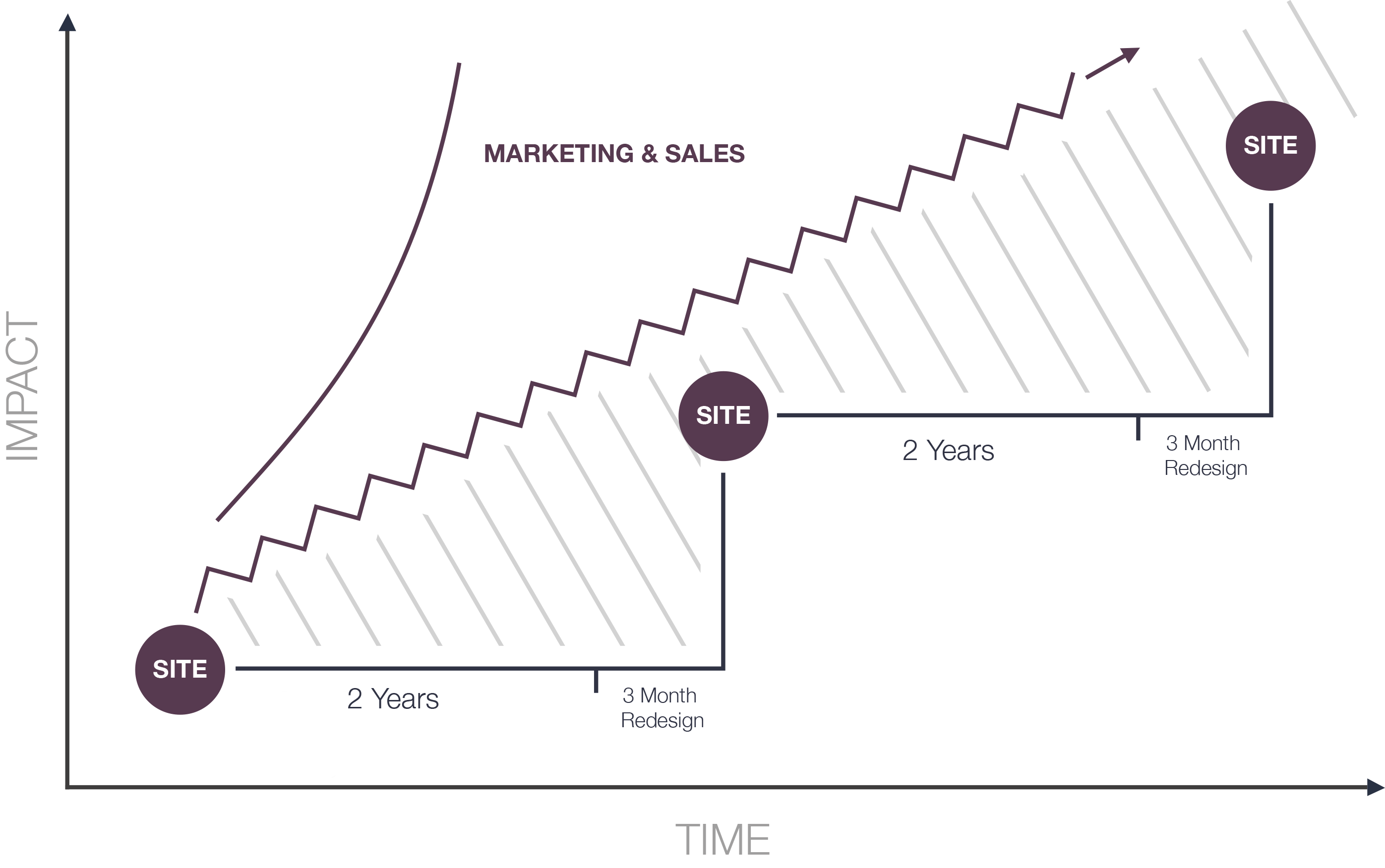
Your website is the content hub and main conversion engine. Tracking website visitors and analyzing their behavior is crucial for measuring content effectiveness and informing your ongoing SaaS content marketing strategy. Poor information architecture undermines even the best content marketing plan.
Best Practices for SaaS Site Architecture
- Clear top-level navigation:
- Product (with subpages per major feature or module)
- Solutions or Use Cases (by industry, role, or problem)
- Resources (blog, guides, templates, webinars)
- Pricing
- Company (About, Careers, etc.)
- Dedicated resources section: Your blog or resources index should be easily discoverable. Consider organizing by content type (blog, guides, templates, webinars) or by topic cluster.
- Clean, keyword-targeted URLs:
- yourdomain.com/blog/reduce-churn-SaaS (good)
- yourdomain.com/p?id=12847 (bad)
- yourdomain.com/solutions/customer-success/ (good)
Content Cluster Structure
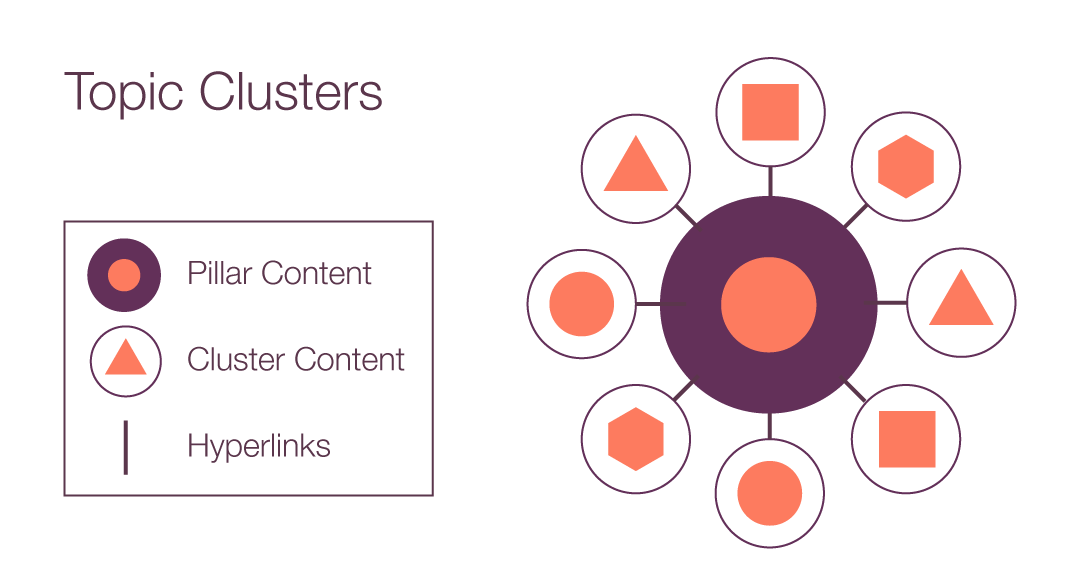
Organize content around core problems your buyers face. Each cluster has:
- Pillar page: Comprehensive overview of the topic (e.g., “Complete Guide to Reducing SaaS Churn”)
- Supporting articles: Specific subtopics linking back to the pillar (e.g., “5 Customer Health Metrics That Predict Churn”, “How to Build a Churn Prevention Playbook”)
This structure helps with search engine rankings through strong internal linking and helps buyers find related content easily.
Example Information Architecture
For a project management software with modules for Tasks, Time Tracking, and Resource Planning:
/product/ /product/tasks/ /product/time-tracking/ /product/resource-planning/ /solutions/ /solutions/marketing-teams/ /solutions/agencies/ /solutions/construction/ /resources/ /resources/blog/ /resources/guides/ /resources/templates/ /resources/webinars/ /pricing/
Technical Foundations
- Fast loading: Slow pages hurt both search results rankings and user experience
- Mobile-friendly: Many B2B buyers research on mobile, even if they convert on desktop
- Schema markup: Implement FAQ schema, review schema (for case studies), and organization schema
- Indexability: Ensure all important content is crawlable and not blocked by robots.txt or no-index tags
These technical basics might seem obvious, but they’re often neglected. Audit your site before scaling content production.
Step 7: Product-Led Content and Conversions (Turning Traffic Into Trials)
Product-led content shows your SaaS product solving real problems in context. Instead of mentioning your product in passing, you demonstrate it actively helping the reader achieve their goal.
This is different from a sales page. Product-led content educates first, with the product appearing naturally as the solution. The reader learns something valuable whether or not they become a customer, but they see exactly how your product would help.
How to Embed Product Naturally
- Screenshots: Show actual UI, not stock photos. Highlight the specific feature being discussed.
- Short GIFs: Demonstrate workflows in motion. “Click here, then here, and your report generates automatically.”
- Mini walkthroughs: “Here’s how you’d set this up in [Product] in about 3 minutes…”
- Templates: Provide downloadable templates that work best when imported into your product.
The key is natural integration. Don’t force product mentions into every paragraph. Show the product where it genuinely solves the problem being discussed.
CTA Patterns That Convert for SaaS
Generic “Start your free trial” buttons often underperform more specific CTAs. Test variations like:
- “Try this workflow in a sandbox account” (low commitment, specific value)
- “Copy this template into your workspace” (immediate utility)
- “Use our free calculator to apply this framework” (value before signup)
- “Schedule a demo to see this customized for your team” (for enterprise content)
Different content types warrant different CTAs. A comparison page might push toward trials. A technical implementation guide might offer a sandbox environment. An ROI calculator captures leads before they’re ready to trial.
Micro-Conversions as Pipeline Bridges
Not every visitor is ready to trial. Use micro-conversions to capture interest:
- Newsletter signup with valuable content promise
- Downloadable checklists and templates
- Free tools and calculators
- Webinar registrations
These micro-conversions filter for high-intent leads and feed email marketing sequences that nurture toward trials.
The Impact of Optimization
The HR-tech SaaS mentioned earlier achieved that 68% increase in trial signups not just by producing content, but by optimizing existing content with conversion rate optimization principles. They improved CTAs, added product context, and streamlined the path from content to trial.
Consider auditing your top 10–15 performing pages. Add product context where missing. Test new CTAs. Track impact over 60–90 days. Often, optimizing existing content delivers faster returns than creating new content.
Step 8: Build a Repeatable SaaS Content Production System
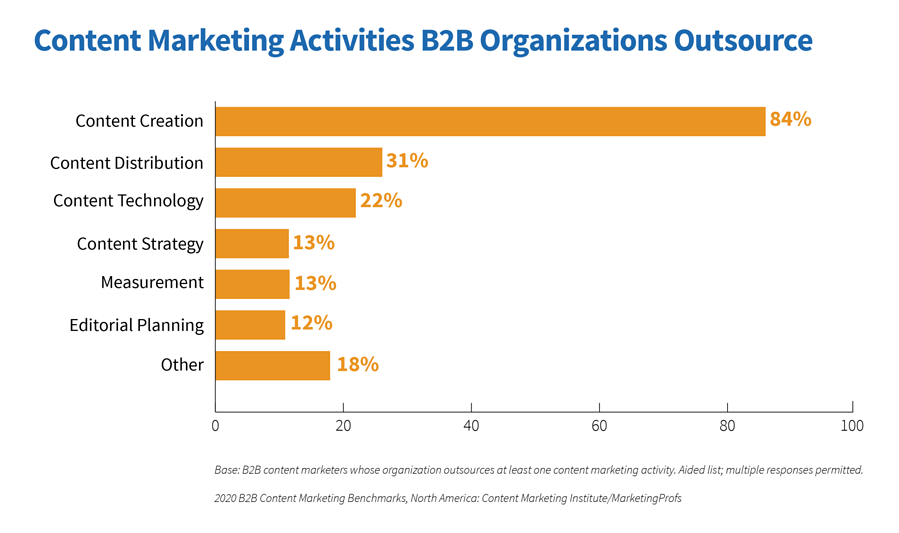
Sustainable SaaS growth from content comes from process, not heroic one-off efforts by a single marketer. Without a system, quality is inconsistent, production is unpredictable, and scaling is impossible.
Core Roles
- Content Strategist: Owns the content calendar, ensures alignment with business goals, manages the production process.
- Subject Matter Experts (SMEs): Internal product managers, engineers, or customer success leads who provide technical accuracy and insider knowledge. Can be full-time or fractional.
- Writers: Execute on briefs. Should understand SaaS and the category, or be paired closely with SMEs.
- Editors: Ensure consistency in voice, clarity, and SEO best practices.
- Designers/Video Producers: Create visuals, screenshots, GIFs, and video content as needed.
Production Workflow
- Brief: Define topic, target keyword, buyer stage, key points, CTAs, and SME involvement needed
- Outline: Structure the piece, identify product integration points
- SME Review: Get technical input and accuracy check
- Draft: Writer produces first draft
- Edit: Editor reviews for clarity, voice, and SEO
- On-page SEO: Optimize title tags, meta descriptions, internal links, schema
- Publish: Deploy to site with proper tracking
- Internal Promotion: Alert sales team and customer success to new content
- Measure & Iterate: Track performance, update as needed
AI as Accelerator, Not Replacement
AI tools (ChatGPT, Claude, SEO content tools) can accelerate:
- Research compilation and summarization
- First-pass outline generation
- Competitor content analysis
- Draft generation for lower-stakes content
But human insight remains essential for:
- Original perspectives and opinions
- Product-specific accuracy
- Brand voice consistency
- Strategic decisions about what to create
Use AI to speed up research and structuring. Keep humans in the loop for quality content that stands out.
Sample Monthly Cadence
For a mid-stage SaaS with a content team of 2–3 people:
|
Content Type |
Quantity |
Focus |
|
BOFU (comparisons, case studies) |
2 pieces |
Decision-stage conversion |
|
MOFU (use cases, best practices) |
2 pieces |
Mid-funnel nurturing |
|
TOFU (educational guides) |
1–2 pieces |
Awareness and traffic |
|
Product/retention content |
1 piece |
Feature adoption, onboarding |
Adjust based on your stage and goals. Early-stage companies might focus more on BOFU. Companies with strong acquisition might shift toward retention content.
Step 9: Distribution: Get Your SaaS Content in Front of Buyers
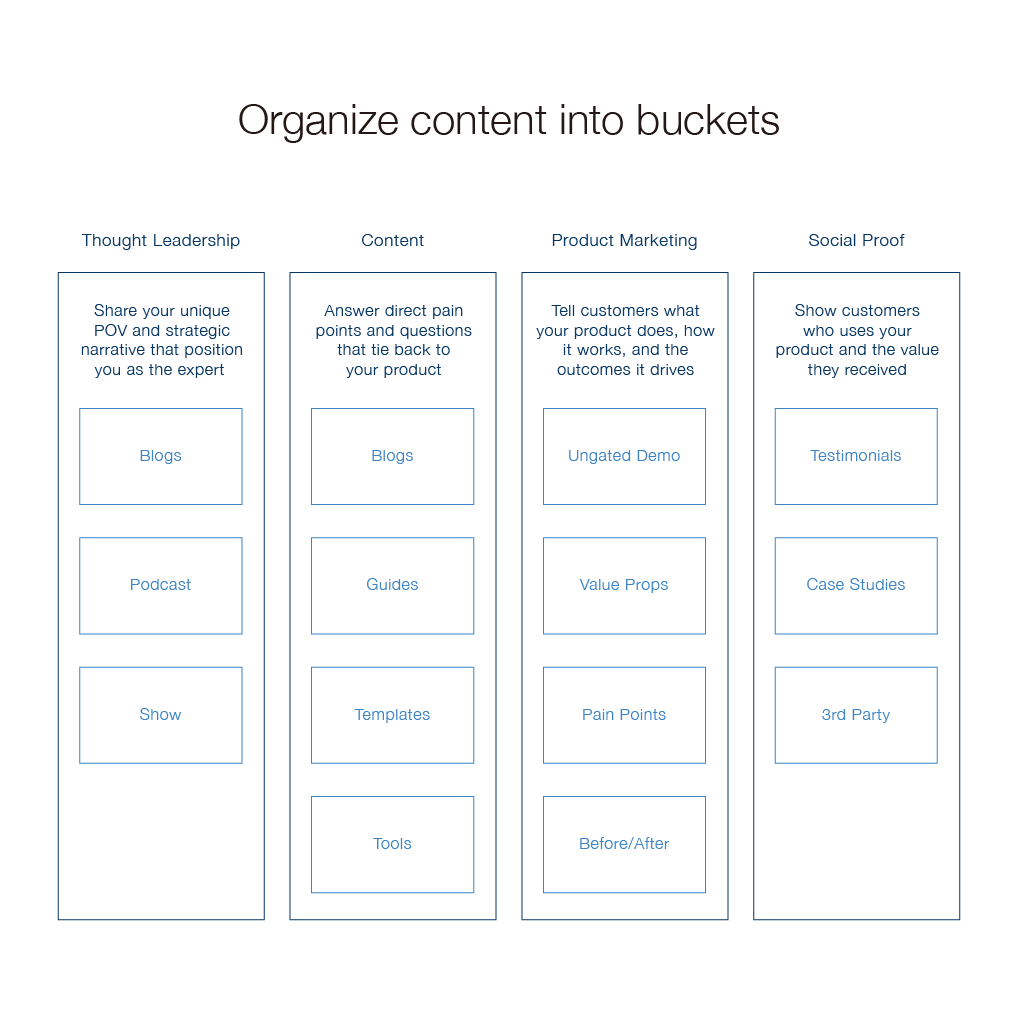
Publishing and praying is not a distribution strategy. Content that isn’t seen by potential customers might as well not exist.
Primary Distribution Channels for SaaS
- Organic Search (SEO/GEO): Still the foundation. Optimized content ranks, attracts buyers with intent, and compounds over time.
- Email Sequences: Nurture sequences for leads, customer newsletters for expansion content. Email marketing remains highly effective for B2B.
- LinkedIn: LinkedIn is primary for B2B SaaS. Share insights, not just links. Build thought leadership around your content themes.
- Partner and Integration Marketplaces: If you integrate with Salesforce, HubSpot, or other platforms, their marketplaces and communities are distribution channels.
- Communities (Slack, Discord, Reddit, Industry Forums): Niche communities drive discovery. Many SaaS founders report that content shared in relevant Slack groups or Reddit communities drives significant signups, sometimes more than organic search for early-stage products.
- Social Media Platforms: In addition to LinkedIn and communities, leveraging social media platforms such as Facebook, X/Twitter, and YouTube is crucial for effective SaaS content marketing. Social media marketing allows you to amplify your content’s reach, build a brand community, and take advantage of each platform’s unique algorithms for organic growth. Sharing videos, articles, and other content formats across these social media platforms helps you reach broader audiences and drive higher engagement.
Tailoring your social media posts to fit each platform’s audience and algorithm is a key tactic for maximizing engagement and ensuring your content performs well across channels.
Distribution Checklist Per Asset
- Share on LinkedIn (personal and company page)
- Post in relevant Slack/Discord/Facebook groups
- Email to your newsletter list
- Repurpose into a Twitter/X thread
- Share content across other marketing channels and other social media platforms to maximize reach and effectiveness
- Syndicate to Medium or industry blogs
Additional Checklist for Each Asset
- Internal enablement: Sales and CS teams know about it and can use it
- Email: Include in relevant nurture sequence or newsletter
- LinkedIn: 2–3 posts over 2–3 weeks (different angles)
- Short-form clips: If video, create 30–60 second excerpts
- Partner outreach: Notify relevant partners for amplification
- Backlink outreach: For high-value pieces, reach out for links
Repurposing: One Asset, Multiple Formats
A single comprehensive guide can become:
|
Week |
Asset |
|
Week 1 |
Publish original guide |
|
Week 2 |
LinkedIn post with key insight #1 |
|
Week 2 |
Email to newsletter list |
|
Week 3 |
LinkedIn post with insight #2 |
|
Week 3 |
Downloadable checklist excerpt |
|
Week 4 |
Webinar expanding on the topic |
|
Week 5 |
LinkedIn post with webinar highlights |
|
Week 6 |
Short video summary |
This repurposing multiplies reach without multiplying content creation effort.
Master One Channel First
Spreading thin across all marketing channels leads to mediocre results everywhere. Pick one primary channel, usually organic search or LinkedIn for B2B SaaS, and master it before expanding.
Consistent, excellent execution on one channel beats scattered presence on five.
Step 10: Measure SaaS Content ROI and Iterate Intelligently
Attribution in SaaS is messy. Multi-touch journeys, long sales cycles, and mixed channels make it difficult to credit any single content piece for a conversion. Don’t let perfect attribution paralyze measurement.
Key Acquisition Metrics
- Organic signups: Trials or freemium signups from organic search
- Demo requests: Requests for sales conversations attributed to content pages
- Qualified pipeline created: SQLs and opportunities influenced by content touchpoints
- ARR influenced: Revenue from deals where content played a role in the buyer journey
Key Retention and Expansion Metrics
- Feature adoption rates: Did content about a feature increase usage?
- Activation rates: Do users who read onboarding content activate faster or more completely?
- Expansion MRR: Revenue from upsells and cross-sells tied to feature adoption content
- Support ticket reduction: Did help content reduce common questions?
Tools in Use
|
Tool |
Purpose |
|
Google Analytics 4 |
Website traffic, behavior, conversions |
|
Google Search Console |
Organic search visibility, click-through rates |
|
CRM (HubSpot, Salesforce) |
Lead attribution, pipeline tracking |
|
Product Analytics (Mixpanel, Amplitude) |
Feature adoption, user behavior, content-to-activation paths |
Connect these tools to track user behavior and customer data across the journey. Many SaaS companies use HubSpot or Salesforce reporting to attribute pipeline to content touchpoints.
Running Simple Experiments
- Identify top 10 URLs by traffic or by pipeline influence
- Improve them: Update CTAs, add product context, refresh outdated information
- Track for 60–90 days: Compare before/after metrics
- Document learnings: What worked? Apply to other content.
Tracking website content performance and iterating based on data turns your content program from guessing into a system. Begin creating content with measurement in mind from day one.
Scaling Your SaaS Content Operation: In-House vs. Partners
Once your core content workflows function and show results, the constraint becomes capacity and expertise, not ideas. How do you scale?
In-House vs. External Partner Advantages
|
In-House Advantages |
External Partner Advantages |
|
Deep product understanding from working daily with the product |
Specialized SEO/GEO expertise you may not have internally |
|
Faster feedback loops between content and product/sales teams |
Faster ramp-up without hiring delays |
|
Consistent brand voice and quality control |
Access to writers experienced across SaaS niches |
|
Institutional knowledge accumulates over time |
Flexibility to scale up or down with needs |
The Hybrid Model
Most scaling SaaS content operations land on a hybrid:
- Internal content lead: Owns strategy, coordinates production, maintains quality
- External writers/specialists: Execute on briefs with oversight
- Internal SMEs: Provide technical interviews and accuracy reviews
- External SEO specialists: Handle technical SEO, GEO optimization, link building
The key is a clear process for extracting SME knowledge and ensuring external creators understand your product and buyers.
Evaluating Outside Help
If considering other marketing agencies or content marketing agencies, evaluate based on:
- Focus on pipeline, not just traffic: Do they measure success by signups and demos, or just pageviews?
- Process for SME knowledge extraction: How do they learn your product deeply enough to create accurate content?
- Integration with sales and CS feedback: Will they incorporate objection handling and customer insights into content?
- Distribution and promotion support: Do they just deliver drafts, or help ensure content reaches buyers?
Avoid partners who treat content as a volume game. High quality content from partners who understand your business beats high quantity of generic posts.
Future Trends in SaaS Content Marketing
The fundamentals of SaaS content marketing won’t change: understand buyers, create valuable content, measure results. But channels and expectations will evolve.
AI-Assisted Research and Drafting
AI tools are becoming standard for research compilation, outline generation, and first-draft creation. This increases the baseline, everyone can produce more content faster.
The differentiation shifts to original insight, proprietary data, and expert perspectives that AI cannot replicate. Many SaaS companies are investing in subject matter experts and customer data to fuel content that stands apart from AI-generated commodity content. A quick pass to humanize AI drafts supports the same goal, rewriting machine output so it reads naturally instead of like the commodity content readers now skim past.
Generative Search and GEO
AI Overviews and generative search results will likely expand. Being cited by AI systems becomes a traffic source alongside traditional rankings.
Optimize for clarity and directness. Structured content with clear answers performs well. The SaaS industry is adapting by focusing on comprehensive, well-sourced content that LLMs want to reference.
Interactive Content and In-App Education
Static blog posts are table stakes. Leading SaaS companies are building:
- Interactive ROI calculators
- Assessment tools and diagnostics
- In-app tooltips and contextual education
- Sandbox environments for self-serve exploration
These formats deliver immediate value while capturing engagement data.
Community-Led Growth
Private communities (Slack, Discord, forums) are becoming discovery channels. Content shared in trusted peer groups carries more weight than content found through search.
Some SaaS brands are building their own communities. Others are participating authentically in existing communities. Both approaches require engaging content that community members want to share.
How Often to Revisit Strategy
Algorithm changes, channel shifts, and buyer behavior evolution mean your strategy needs regular review. Consider:
- Quarterly reviews: Check KPIs against targets, adjust content mix
- Biannual strategy reviews: Assess channel performance, buyer research updates, competitive landscape changes
The companies that win in 2027 will treat content strategy as a living system, not a document that sits in a drawer.
Conclusion: Turning Your SaaS Content Into a Growth Engine
You’ve now walked through the complete journey of building a great content marketing strategy for SaaS: anchoring strategy to revenue goals, understanding real buyers, mapping the customer journey, choosing content types that move pipeline, optimizing for modern search, building production systems, distributing effectively, and measuring ROI.
The central insight is this: the best SaaS content programs behave like product teams, iterative, data-informed, and obsessed with customer outcomes. They don’t just produce content. They build systems that continuously improve based on what works.
Your SaaS content becomes a growth engine when every piece connects to a buyer's need, every workflow is repeatable, and every result informs the next decision.
Here’s what to do next:
- Pick one high-impact step to implement in the next 30 days. If you lack BOFU content, build two comparison pages. If your buyer understanding is weak, conduct five customer interviews. If your top pages don’t convert, optimize CTAs on your top 10 URLs.
- Start a simple quarterly content OKR. Pick one metric that matters (trials, demos, expansion MRR) and set a target. Let that target guide your next quarter’s content decisions.
- Audit your top 10 pages for product-led improvements. Add screenshots, CTAs, and product context where missing. Track the impact over 90 days.
Successful content marketing for existing customers and new buyers alike isn’t about producing content. It’s about producing the right content, distributing it to the right buyers, and continuously optimizing based on results.
You have the roadmap. Now build the engine.
Share this
Subscribe
Recent Posts
NEED TO INCREASE REVENUE?
Improve Your Marketing ROI
Let’s talk and see how we can help you scale a steady stream of new leads, customers and revenue.
