
Last Updated: June, 2026 | 5 minute read

A B2B marketing agency is a specialized firm that helps companies market and sell their products or services to other businesses rather than individual consumers. These agencies plan, create, and execute marketing strategies tailored specifically for the unique dynamics of business to business transactions, where buying decisions involve multiple decision makers, extended sales cycles, and high-value contracts. Strategic marketing is a core approach used by these agencies to navigate the complex B2B environment and achieve measurable results.
In 2025, most mid-market and enterprise firms rely on B2B marketing agencies to navigate the complexity of reaching corporate buyers. Unlike selling to consumers who might make impulsive purchases, B2B transactions often involve procurement teams, C-suite executives, and technical evaluators who all need convincing before a deal closes. A B2B marketing agency understands this landscape and builds marketing campaigns designed to address each stakeholder’s concerns.
Consider a SaaS company selling inventory management software to manufacturing firms. Their potential customers aren’t scrolling social media looking for deals, they’re researching solutions that can reduce downtime, integrate with existing systems, and justify a six-figure annual investment. A B2B marketing agency helps this SaaS company create the educational content, targeted strategies, and digital presence needed to attract and convert these business customers.
These agencies blend strategy, content creation, digital marketing campaigns, and data analytics to generate leads and drive revenue. They focus on building brand credibility, nurturing potential clients through lengthy buying processes, aligning marketing efforts with sales teams, and helping businesses build brand awareness as a key outcome of their work. The result is a systematic approach to filling the sales pipeline with qualified leads who are ready to have meaningful conversations.

Understanding B2B Marketing
B2B marketing refers to business marketing activities where one business promotes its products or services to another business. The target audience consists of decision makers such as CEOs, CFOs, CIOs, procurement managers, and technical specialists who evaluate purchases on behalf of their organisations. These individuals rarely make buying decisions alone, they consult with colleagues, require internal approvals, and often answer to boards or shareholders.
The nature of B2B sales differs fundamentally from consumer transactions. A typical B2B deal might involve a £250,000 annual software license or a multimillion-pound equipment purchase. These aren’t impulse buys. Sales cycles commonly stretch from three to eighteen months, with multiple stakeholders weighing in at various stages. Risk reduction and trust matter enormously, corporate buyers need confidence that a vendor will deliver as promised, provide ongoing support, and remain a reliable partner over years, not just weeks.
This context shapes how B2B marketing must operate. More than 80% of B2B buyers conduct extensive online research before ever contacting a sales representative. They read industry reports, download white papers, compare vendors on review sites, and seek peer recommendations. B2B marketing must therefore educate and support this research process, positioning a company as the knowledgeable, trustworthy choice before a prospect picks up the phone.
Because the buying process involves so many touchpoints and stakeholders, B2B marketing strategies must address different concerns at different stages. An IT director might care about technical integration, while a CFO focuses on ROI timelines. Successful B2B marketing speaks to all of these perspectives with tailored messaging and valuable insights.
Defining B2B: What Does It Stand For?
B2B stands for Business to Business, describing transactions and relationships where one business provides products or services to another business, rather than to individual consumers. In the world of marketing, this distinction is crucial. B2B marketing agencies specialize in developing tailored marketing strategies that address the unique needs of companies selling to other businesses. These agencies understand that B2B marketing efforts must resonate with decision makers who are focused on ROI, efficiency, and long-term value.
Unlike consumer-focused marketing, B2B marketing strategies are built around industry trends, data driven strategies, and the specific challenges faced by businesses in their sector. B2B marketing agencies leverage their expertise to design marketing campaigns that generate leads, nurture relationships, and drive growth for their clients. By focusing on content marketing, digital marketing campaigns, and specialized services, these agencies help businesses connect with other businesses, ensuring that every marketing effort is aligned with the complex decision-making processes typical of business to business transactions.
Whether it’s launching a new product, expanding into a new market, or building brand awareness among industry leaders, B2B marketing agencies play a pivotal role in helping companies reach the right audience and achieve measurable results.
What Does a B2B Marketing Agency Do?
A B2B marketing agency acts as an external marketing team that plans, executes, and optimizes campaigns designed to win business customers. Rather than hiring a full in-house team across every marketing discipline, companies partner with agencies that bring together strategists, content creators, designers, digital specialists, and data analysts under one roof.
These agencies combine strategy development, creative production, technology implementation, and ongoing optimization to attract, nurture, and convert leads for their clients, and create tailored marketing strategies to address the unique needs of each client. The work spans from early-stage brand positioning through to measuring the revenue impact of specific campaigns. Understanding the core areas of agency work helps clarify what you can expect from a successful partnership.
Strategy Development
Every meaningful agency engagement begins with discovery. Agencies conduct workshops and research sessions to understand a client’s business model, ideal customer profile, value proposition, and competitive landscape. This isn’t about jumping straight into tactics, it’s about ensuring every marketing activity serves a clear strategic purpose.
From this foundation, agencies build a marketing strategy that defines positioning, messaging, target markets, and the mix of channels to deploy over the next six to twelve months. Agencies develop tailored strategies to address the specific needs of each client, ensuring their approach is customized to help position products effectively, enhance brand visibility, and adapt to digital transformations and market challenges. They identify which industry challenges the client solves and how to communicate that value compellingly. Strategic planning at this stage prevents wasted budget on activities that don’t align with business goals.
Concrete planning tools come into play here. Buyer personas describe the characteristics, motivations, and pain points of ideal customers. Customer journey maps outline how prospects move from awareness to consideration to decision. Key performance indicators, such as sales-qualified leads, pipeline value, and cost per opportunity, provide measurable targets that keep everyone accountable.
Consider a cybersecurity firm that has historically marketed its features: encryption standards, response times, compliance certifications. An agency might reposition them as a “risk-reduction partner,” shifting messaging from technical specifications to business outcomes like reduced breach costs and faster incident recovery. This strategic pivot changes everything downstream, from website copy to sales enablement materials.

Identifying Target Markets
Identifying target markets is a foundational step in any successful B2B marketing strategy. B2B marketing agencies excel at pinpointing the specific industries, company sizes, and decision makers most likely to benefit from their clients’ offerings. By leveraging industry expertise, data analytics, and insights from industry reports, agencies can develop targeted strategies that focus marketing efforts where they will have the greatest impact.
Understanding the buying process and sales cycles unique to each target market allows agencies to craft marketing campaigns that speak directly to the needs and pain points of high-value business customers. This approach not only boosts brand awareness but also ensures the generation of high quality leads that are more likely to convert into long-term relationships. By analyzing customer data and market research, agencies can continuously refine their strategies, adapting to changes in industry trends and buyer behavior.
Ultimately, effective identification of target markets enables B2B marketing agencies to support business growth, enhance market presence, and deliver measurable results through campaigns that are both strategic and highly relevant to the intended audience.
Content Marketing
B2B content marketing involves creating educational assets that help buyers evaluate solutions. Unlike consumer content that might entertain or inspire, B2B content must inform, clarify, and build confidence. Common formats include blogs, guides, webinars, case studies, product one-pagers, and infographics.
Agencies research the client’s industry, interview subject-matter experts, and translate complex technical topics into clear, persuasive content. A software company’s engineering team might understand their product deeply, but they rarely have time to produce the volume of content needed to support marketing campaigns. Agencies bridge this gap, turning internal expertise into external-facing assets.
Content supports each stage of the sales funnel. Awareness-stage thought leadership articles establish authority and attract organic traffic through search engine optimization. Consideration-stage comparison guides and webinars help prospects evaluate options. Decision-stage case studies with specific ROI figures and timelines give buyers the proof they need to justify the purchase internally.
One agency created a white paper for an enterprise software client that addressed the typical questions buyers asked during RFP processes. By answering these questions upfront, prospects arrived at sales conversations better informed, which shortened the sales cycle by several weeks on average.
Lead Generation and Demand Generation
Demand generation and lead generation are related but distinct activities. Demand generation builds interest and awareness among potential customers who may not yet be actively searching for a solution. Lead generation captures contact details from interested prospects so sales teams can follow up.
A B2B agency plans campaigns that use landing pages, downloadable assets, webinars, and events to capture leads from targeted audiences. These campaigns typically focus on specific industries, company sizes, or job roles to ensure the leads generated actually match the client’s ideal customer profile. Volume matters less than quality, a hundred leads from wrong-fit companies waste everyone’s time.
Marketing automation platforms like HubSpot or Marketo allow agencies to score leads based on behavior (pages visited, content downloaded, emails opened) and demographics (job title, company size, industry). Automated email sequences nurture leads over time, delivering relevant content until they’re ready for a sales conversation. When a lead reaches a defined threshold, they’re handed off to sales as a qualified lead.
One agency ran a demand generation campaign for a supply chain software company that generated over 150 qualified demo requests in a single quarter. By focusing targeting on logistics directors at mid-market retailers, they ensured the sales pipeline filled with potential clients who genuinely needed the solution.
Digital Marketing: SEO, PPC, and Social Media
Most B2B research begins with a search engine query. Agencies invest heavily in search engine optimization and paid advertising to ensure their clients appear when corporate buyers look for solutions. Online visibility directly correlates with lead generation opportunities.
B2B SEO work includes keyword research focused on industry-specific terms, optimizing product and solution pages, creating pillar content that establishes authority, and improving technical performance for faster load times and better crawlability. Unlike B2C SEO that might target high-volume consumer searches, B2B SEO often focuses on lower-volume but higher-intent keywords where each visitor represents significant potential revenue.
Pay-per-click campaigns on Google Ads and platforms like LinkedIn allow agencies to reach decision makers quickly. LinkedIn’s targeting capabilities, by job title, industry, company size, and even specific company names, make it particularly valuable for B2B. B2B Agencies create campaigns that promote content offers, webinar registrations, or direct demo requests to carefully defined audiences.
Social media advertising and social media management in B2B context primarily means LinkedIn, though X (formerly Twitter) and niche industry communities also play roles depending on the sector. Agencies manage company pages, share thought leadership content, and run paid campaigns to amplify reach. One agency ran a LinkedIn account-based marketing campaign targeting 200 named accounts for a professional services firm, delivering personalized ads to specific decision makers within those companies and generating meaningful engagement that led to new business conversations.
Analytics, Reporting, and Optimisation
B2B marketing agencies rely on data analytics to prove impact and improve performance. Tracking and analyzing data is essential for achieving marketing success, as it allows agencies to measure what truly matters and optimize for better outcomes. Vanity metrics like page views or social followers matter far less than metrics tied to revenue: form fills, demo requests, pipeline contribution, and closed-won deals.
Agencies track engagement across the entire buyer journey, from first website visit through to final purchase. This requires integrating marketing platforms with CRM systems to create a complete picture of how marketing activities influence sales outcomes. Multi-touch attribution models help identify which channels and content pieces contribute most to generating qualified leads.
Monthly or quarterly reporting sessions with clients use this data to refine strategy. If LinkedIn campaigns are generating high-quality leads but blog traffic isn’t converting, budgets and resources shift accordingly. If a particular piece of content drives significant demo requests, agencies create more content on that topic. Continuous optimization ensures marketing efforts become more effective over time.
The growing sophistication of data driven strategies means agencies can now predict which accounts are most likely to buy, identify the content most likely to move prospects through the funnel, and attribute revenue to specific campaigns with increasing accuracy.
Key Services Offered by B2B Marketing Agencies
While every agency structures its offerings differently, most full service agencies provide a consistent set of core services that address the complete B2B buyer journey. Understanding these services helps you evaluate what you actually need and what a potential partner can deliver.
These services work together as an integrated system. Branding establishes who you are. Your website communicates that identity and captures interest. Email marketing nurtures relationships. Social media builds brand awareness. Long-form content provides the depth buyers need to make confident decisions. Each element supports the others.
Branding and Brand Architecture
B2B agencies help define or refine brand positioning, visual identity, tone of voice, and messaging frameworks. For complex organizations with multiple products, services, or business units, this work extends to brand architecture, how all the pieces fit together in a way that makes sense to customers.
Brand architecture decisions matter when companies grow through acquisition or expand into new markets. A branded house approach uses a single master brand across all offerings. A house of brands approach maintains distinct identities for different products. Hybrid models combine elements of both. The right structure depends on how customers buy and perceive value.
Consistent branding across regions, product lines, and divisions reduces confusion for corporate buyers. When a prospect sees the same messaging and visual identity whether they’re reading a case study, visiting a booth at a trade show, or talking to a sales representative, trust builds faster.
One agency helped a multi-subsidiary industrial group align regional brands into a single global identity. The previous fragmented approach confused customers who didn’t realize they could access the full range of products through one relationship. The unified brand improved market presence and opened cross-selling opportunities.
Website Strategy and Development
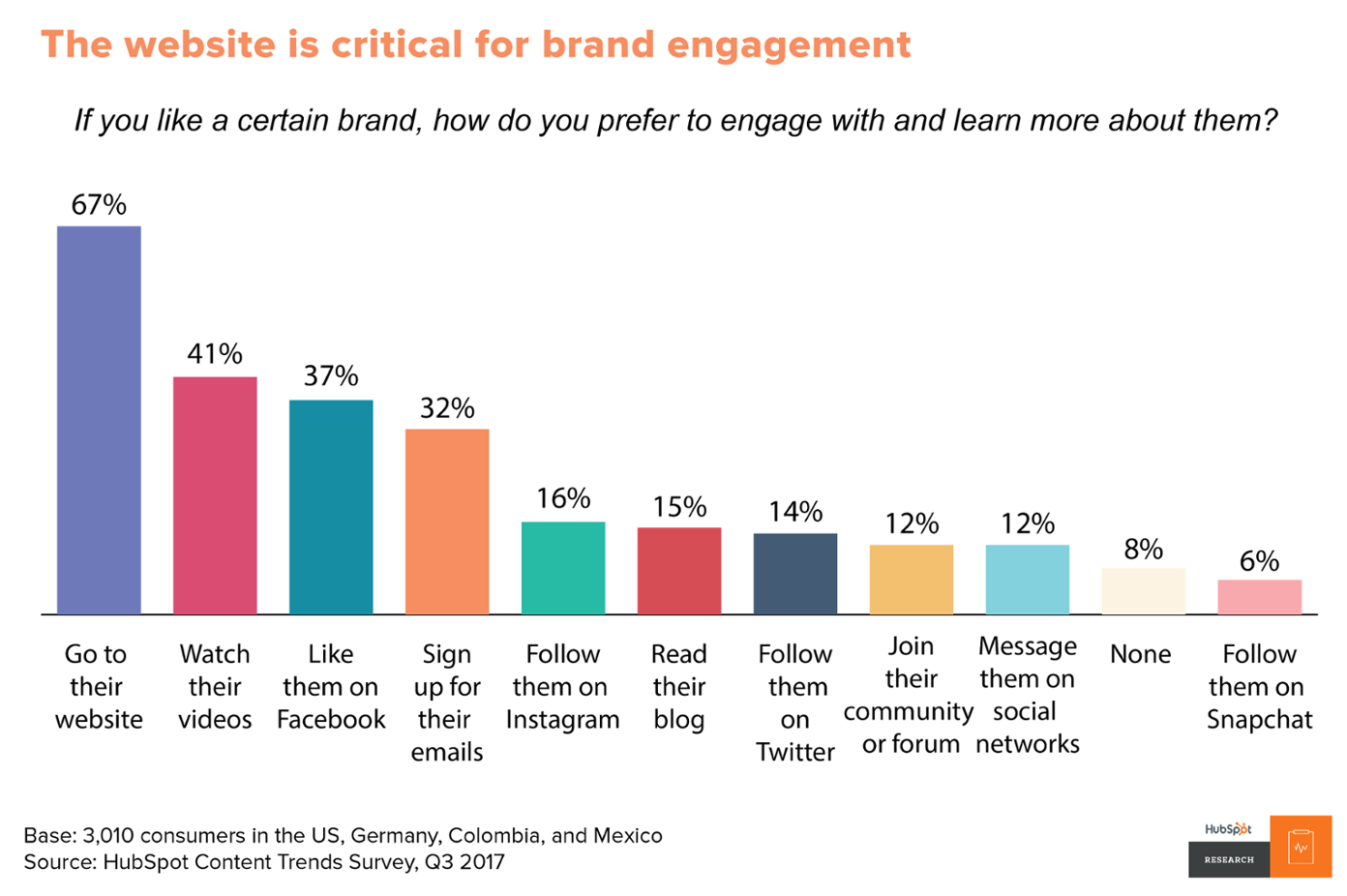
The website serves as the central digital hub where prospects research, compare solutions, and request demos or quotes. For B2B companies, it’s often the most important marketing asset, an always-on sales tool that works around the clock across every market.
Agencies plan site structure around B2B use cases. Industry pages speak to specific vertical markets. Solution pages address distinct buyer needs. Resource sections house educational content. Clear calls-to-action aligned to buying stages guide visitors toward meaningful next steps, whether downloading a guide or requesting a conversation.
Technical considerations matter too. CRM and marketing automation integrations allow visitor behavior to flow into lead scoring and nurturing systems. Proper tracking ensures every interaction is captured for analysis. Fast performance across regions, critical for global B2B companies, keeps visitors engaged rather than bouncing to competitors.
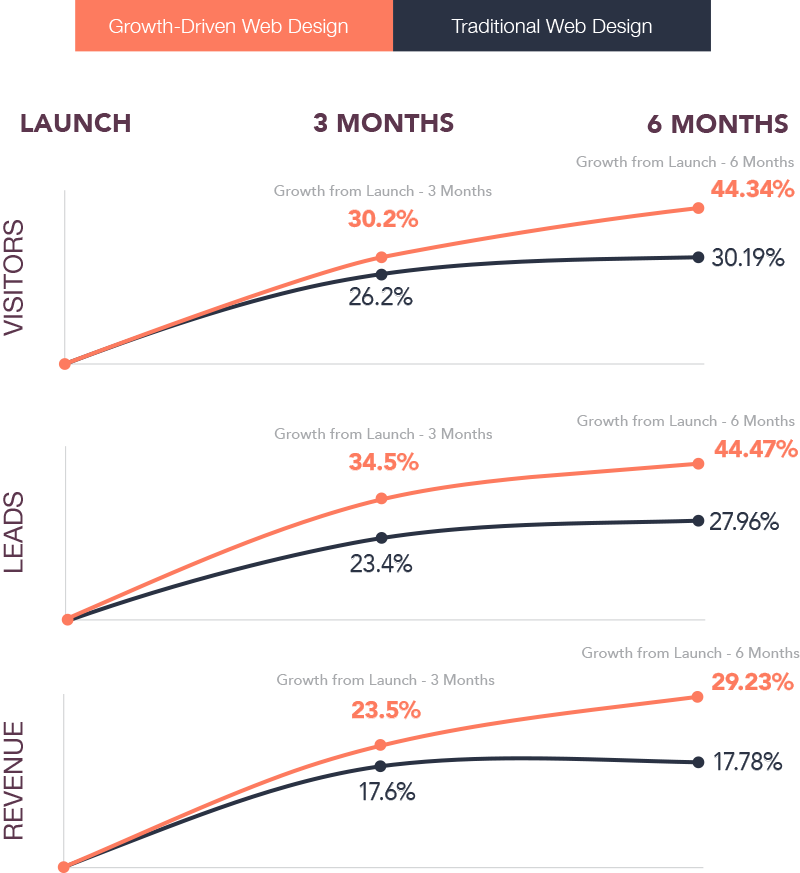
A 2024 website redesign for a business services company doubled demo requests within three months. The agency clarified value propositions, simplified navigation, and added clear CTAs at every stage of the visitor journey. The same product, better communicated.
Email Marketing and Marketing Automation
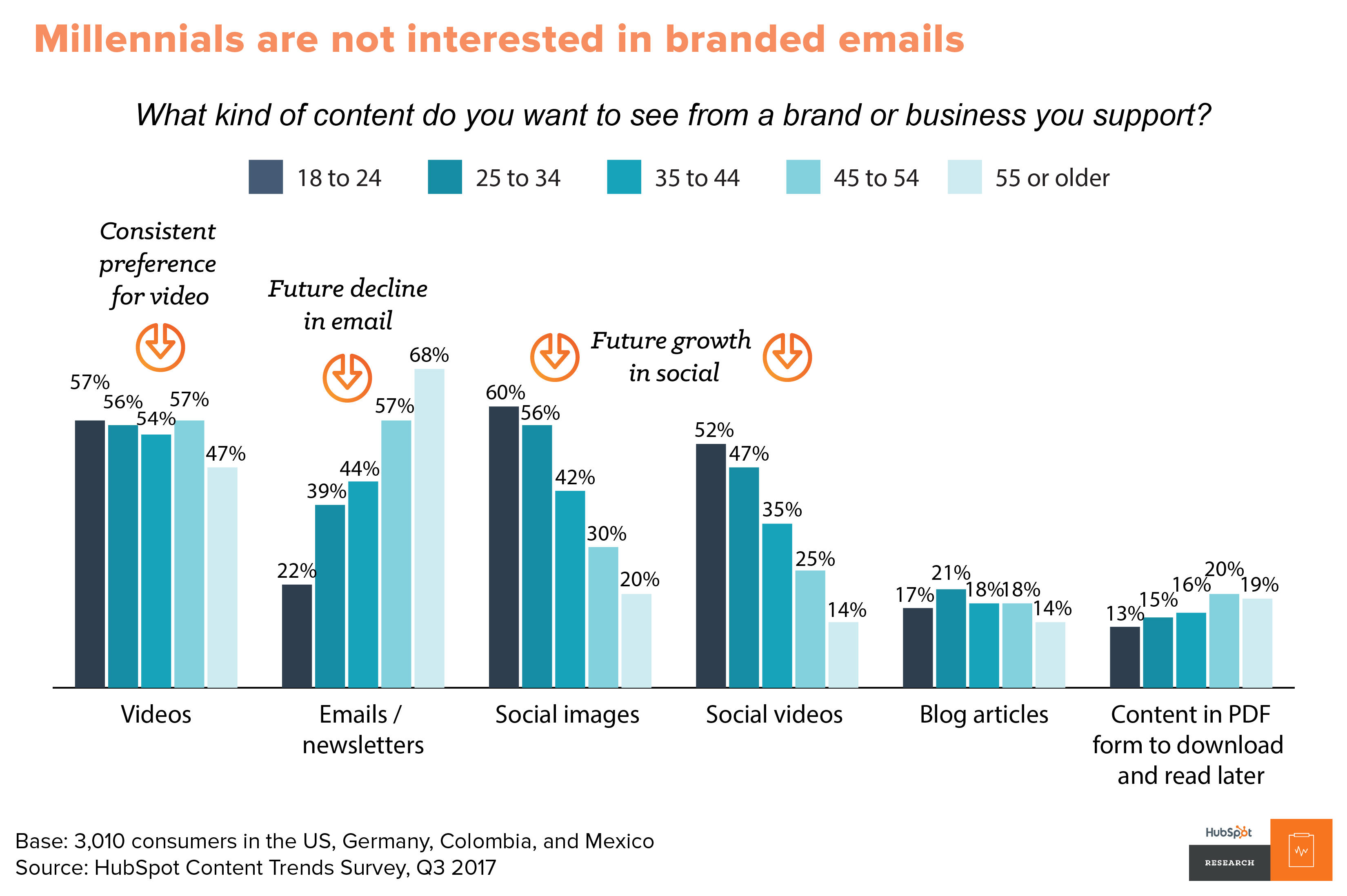
Email marketing remains one of the highest-ROI channels in B2B marketing. The long, information-heavy buying process that characterizes B2B purchases creates multiple opportunities to deliver valuable content directly to prospects’ inboxes. Done well, email builds relationships over months rather than pushing for immediate conversion.
Agencies segment databases by industry, role, engagement level, and buying stage. They create automated sequences for different scenarios: onboarding new subscribers with educational content, re-engaging dormant leads, nurturing active prospects through consideration, and supporting renewals for existing customers. Each sequence delivers the right message at the right time.
Content alignment matters throughout. Early-stage emails focus on education and thought leadership. Middle-stage emails introduce product comparisons and proof points. Late-stage emails address common objections and offer direct sales conversations. This progression mirrors how real buyers consume information.
Modern platforms like HubSpot, Salesforce Marketing Cloud, and similar tools enable sophisticated automation while providing the analytics needed to continuously optimize performance.
Social Media and Thought Leadership
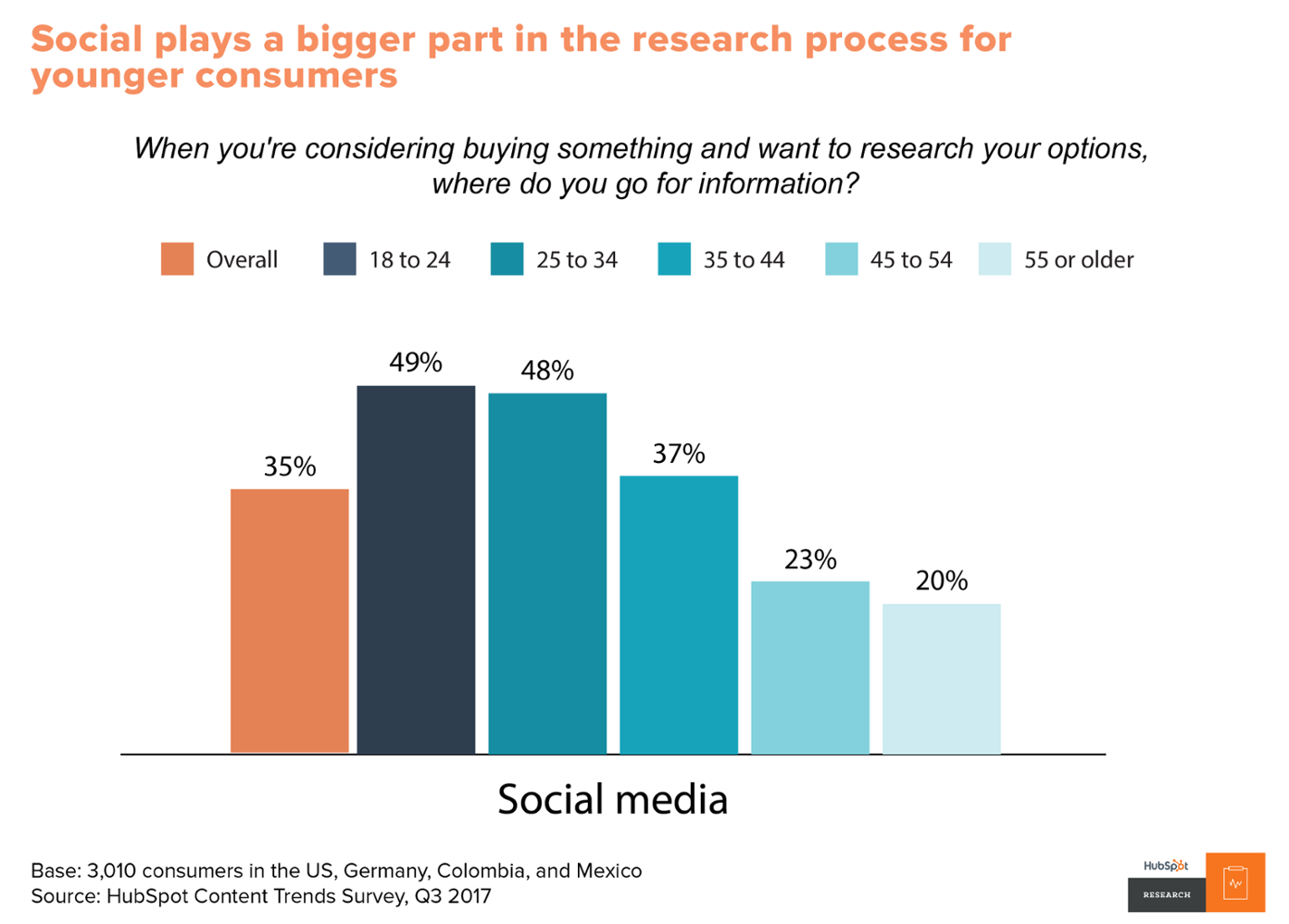
B2B social media operates differently than consumer social media. The goal isn’t viral entertainment, it’s positioning brands and their leaders as trusted experts. On LinkedIn especially, companies compete for attention among professionals who are actively seeking industry insights and solutions.
Agencies manage company pages and executive profiles, sharing research, industry commentary, success stories, and original perspectives. Regular presence keeps brands visible to followers who might not be ready to buy today but will remember the company when needs arise.
Paid social campaigns promote content offers and events to precisely targeted audiences. Job title, seniority, industry, company size, and even specific company names allow for highly focused reach. This targeting makes social media advertising particularly effective for account-based marketing approaches.
One agency developed a thought leadership series for a professional services firm that established their partners as leading voices on regulatory changes affecting their target market. The series grew a niche but highly engaged following, leading to speaking invitations at major industry conferences and direct business opportunities.
Long-Form Assets: White Papers, Case Studies, and Infographics
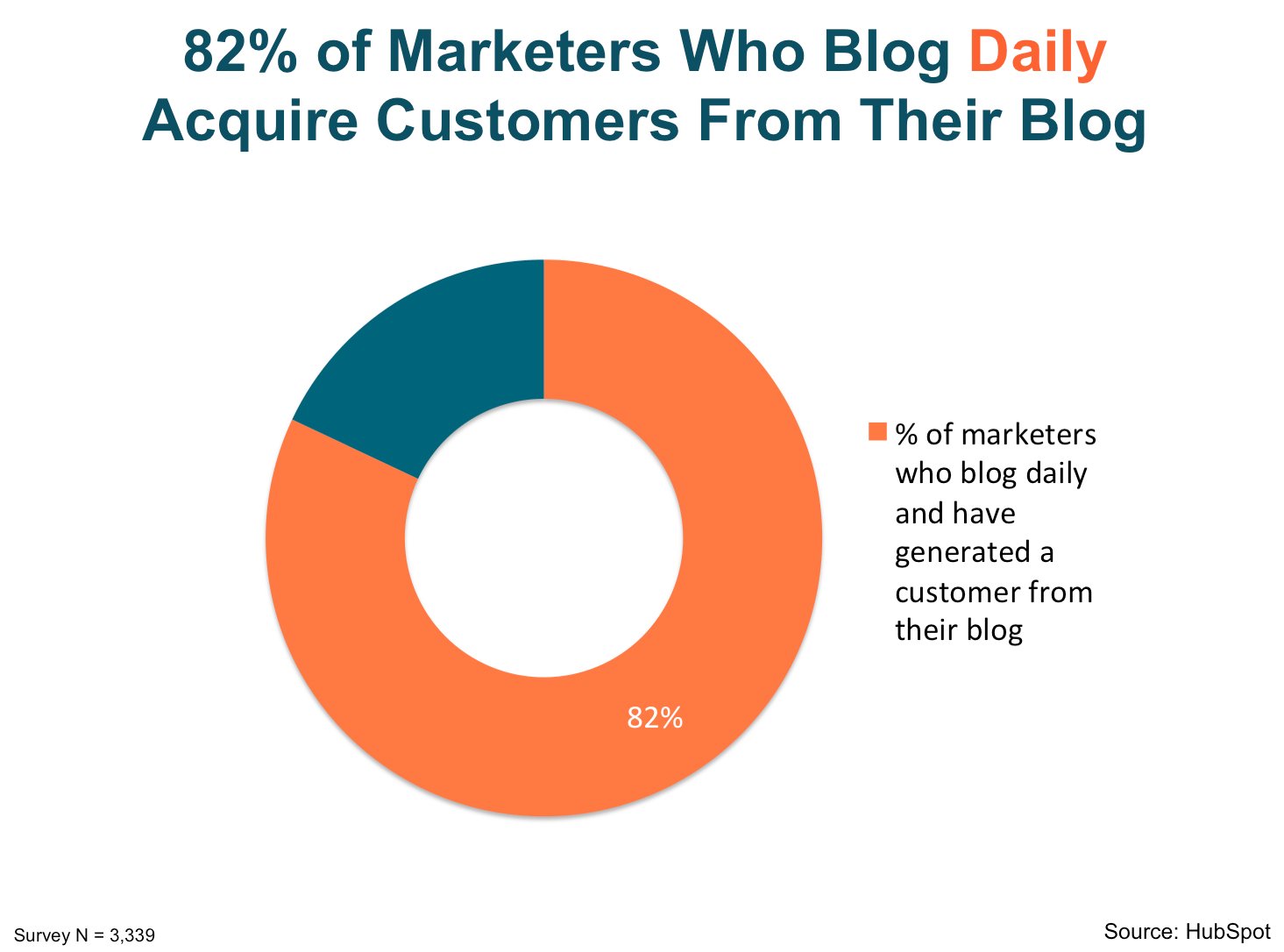
White papers and in-depth reports address complex topics, regulatory changes, emerging technologies, ROI models, that require more space than a blog post allows. For B2B buyers who must justify decisions to internal stakeholders, these assets provide the substance needed for internal business cases.
Case studies with real metrics serve risk-averse buyers who need proof that solutions work. A case study showing “reduced downtime by 30% in six months” or “generated $2 million in new pipeline within two quarters” gives prospects concrete evidence of potential outcomes. Numbers matter more than general testimonials.
Infographics and visual summaries condense dense information for busy executives who scan rather than read deeply. A complex process or set of statistics presented visually communicates faster than paragraphs of text.
One agency created a gated white paper campaign for a technology client that generated over 200 high quality leads in a single quarter. The paper addressed a pressing industry challenge, and the targeting ensured downloads came from senior professionals at companies matching the ideal customer profile.
Comprehensive Marketing Support: The Full-Service B2B Agency
A full-service B2B marketing agency offers businesses a comprehensive suite of marketing support, covering every stage from strategy development to execution and analysis. These agencies provide a broad range of specialized services, including content creation, digital marketing campaigns, sales enablement, and predictive analytics, all designed to drive business growth and strengthen market presence.
By combining industry expertise with data driven strategies, full-service agencies help clients navigate complex industry challenges and stay ahead of evolving market demands. Their approach to strategy development ensures that every marketing campaign is tailored to the client’s unique goals, target audience, and competitive landscape. From building brand credibility to executing multi-channel digital marketing campaigns, these agencies deliver the resources and knowledge needed to achieve sustainable growth.
Full-service B2B marketing agencies act as strategic partners, supporting businesses with everything from content creation and digital advertising to sales enablement and market analysis. Their ability to integrate predictive analytics and industry insights ensures that marketing efforts are not only effective but also adaptable to changing market conditions, giving businesses a competitive edge and a clear path to long-term success.
How B2B Marketing Agencies Differ from B2C Agencies
B2B and B2C agencies use many of the same tools, analytics platforms, social media management software, email marketing systems, but they operate with fundamentally different goals, metrics, and audience expectations. Understanding these differences helps clarify why specialized B2B expertise matters.
B2B marketing focuses on smaller, more precisely defined audiences. Rather than reaching millions of consumers, a B2B campaign might target a few thousand professionals with specific job titles at companies in specific industries. Each individual in that audience represents significant potential revenue, so personalization and relevance matter far more than broad reach.
The buying process itself differs dramatically. B2B purchases involve logical justifications, consensus among multiple stakeholders, and formal procurement processes. A B2C purchase might happen on impulse, a consumer sees an advertisement, feels emotional connection, and buys within minutes. A B2B purchase unfolds over months as different stakeholders evaluate risks, compare alternatives, and build internal alignment.
B2B agencies design campaigns for these longer funnels. Account-based marketing treats high-value target accounts as individual markets, with personalized outreach to specific decision makers. Content depth matters because buyers need substantial information to evaluate solutions. Sales alignment ensures marketing activities support rather than conflict with sales processes.
Consider selling industrial machinery versus consumer apparel. The apparel brand needs broad visibility, emotional appeal, and easy e-commerce checkout. The machinery manufacturer needs educational content, relationship building, and alignment between marketing and a sales team that manages complex negotiations. The skills required are different, and agencies that excel at one don’t automatically excel at the other.
Benefits of Partnering with a B2B Marketing Agency
Many firms partner with B2B agencies to gain capabilities, speed, and perspective they can’t build in-house quickly enough. The benefits extend across multiple dimensions, from tactical execution to strategic direction.
Access to specialist skills tops the list. A comprehensive B2B marketing function requires SEO expertise, copywriting talent, design capabilities, marketing operations knowledge, and analytical ability. Building this team internally means hiring and managing multiple specialists. An agency provides the full complement from day one, with team members who’ve honed their skills across many client engagements.
Speed matters in competitive markets. Launching a new campaign or entering a new market requires research, strategy, content creation, and technical implementation. An experienced agency has playbooks and processes that compress timelines dramatically compared to figuring it out internally. This faster time-to-market can mean winning deals that would otherwise go to competitors.
Cross-industry experience brings unexpected value. Agencies that work with SaaS companies, manufacturers, professional services firms, and other B2B sectors gain insights about what works across contexts. A lead generation strategy that succeeded in one industry can be adapted for another. Agencies see patterns that companies focused solely on their own market might miss.
Financial predictability appeals to CFOs. B2B agency retainers create clear, manageable marketing spend rather than the uncertainty of building and maintaining an internal team with associated overhead, benefits, and turnover costs. Engagement can scale up during growth phases and dial back if market conditions change.
The measurable impact justifies the investment. One agency’s focused strategy helped a technology client increase form submissions by over 500% in 90 days. That kind of result, tracked through proper analytics and tied directly to pipeline value, demonstrates the ROI that serious B2B agencies deliver.
Brand Credibility
Building brand credibility is a cornerstone of successful B2B marketing. For businesses aiming to earn the trust of their target audience, a strong brand identity and visible market presence are essential. B2B marketing agencies play a key role in establishing and enhancing brand credibility through a combination of content marketing, social media management, and search engine optimization.
By producing valuable insights, industry reports, and thought leadership content, agencies help businesses demonstrate their expertise and authority within their sector. This not only increases brand visibility but also positions the company as a trusted resource for potential clients. Effective social media management and SEO further amplify this credibility, ensuring that the brand is consistently represented across all digital channels.
A credible brand supports sales teams by making it easier to engage potential clients and move them through the sales funnel. When prospects perceive a business as knowledgeable and reliable, they are more likely to initiate conversations and ultimately become loyal customers. Investing in brand credibility not only enhances competitive edge but also drives long-term growth and strengthens the company’s position in the marketplace.
Choosing the Right B2B Marketing Agency
Not all agencies are equal, and selecting the right strategic partner requires a structured evaluation process. Consider the key factors such as industry experience, past successes, communication style, and the agency’s ability to foster collaborative relationships when choosing a B2B marketing agency. The wrong choice wastes budget and time; the right choice accelerates business growth significantly.
Sector experience matters because B2B buyers expect vendors to understand their specific industries. An agency with a proven track record in your sector, whether that’s SaaS, manufacturing, professional services, or another vertical, brings relevant knowledge about buyer behaviors, industry trends, competitive dynamics, and effective messaging approaches. Ask for recent case studies from similar clients.
Evaluate the service range based on your needs. Full-service B2B marketing agencies provide end-to-end capabilities from strategy through execution. Specialist agencies might focus narrowly on content or digital advertising. Neither is inherently better, the right fit depends on what your internal team can handle and where you need external support.
Team seniority influences outcomes. Some agencies staff client work heavily with junior team members, reserving senior talent for pitches and occasional check-ins. Others embed experienced professionals in ongoing work. Ask specifically who will work on your account day-to-day, not just who presents in the sales process.
Review case studies from the last two to three years that show measurable outcomes. Vague claims about “increased brand awareness” mean less than specific metrics: organic traffic growth percentages, conversion rate improvements, pipeline contribution figures, revenue attribution data. The best agencies measure what matters and share results transparently.
Discuss how the agency works operationally. How often will you meet? What does reporting look like? Who do you contact for questions? How do they collaborate with your internal sales and marketing teams? Practical working relationships matter as much as strategic brilliance.
Cultural fit and transparency deserve attention. Assessing an agency’s communication style is also crucial to ensure alignment, understanding, and compatibility throughout the partnership. Ask direct questions about pricing models, contract lengths, and how success will be measured. Agencies that answer clearly and confidently inspire more trust than those who hedge or obscure details.
Questions to Ask a Prospective B2B Agency
When evaluating potential agency partners, specific questions reveal more than polished presentations. Start by asking how they define and track success for clients like you. Probe for specific examples of results achieved for similar businesses since 2022, not generic capabilities, but actual outcomes with numbers.
Ask who will be on the core account team and what their backgrounds are. Request to meet these individuals during the evaluation process, not just after you’ve signed a contract. Understand how the agency integrates with your existing technology stack, CRM systems, marketing automation platforms, analytics tools, since poor integration creates friction and limits effectiveness.
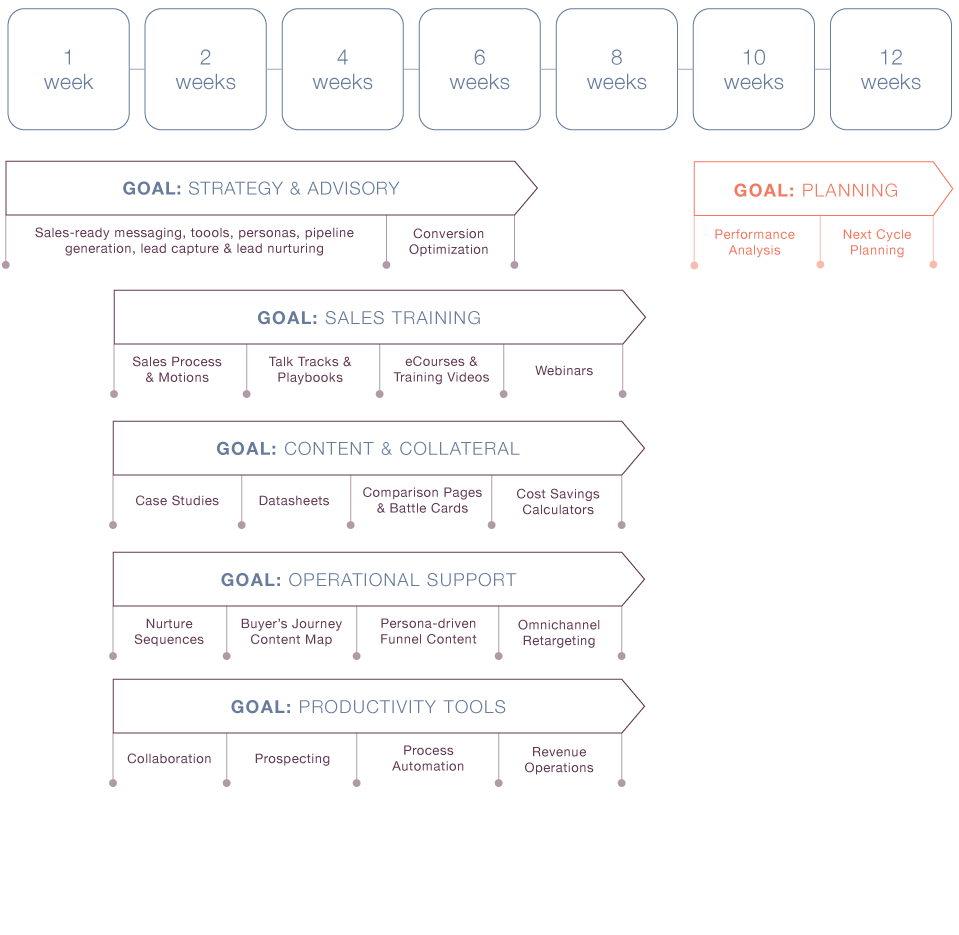
Request a sample 90-day plan that shows how they approach discovery, identify quick wins, and structure longer-term initiatives. This reveals their thinking process and demonstrates whether they understand what a successful partnership looks like beyond generic methodology slides.
The Role of Technology and AI in Modern B2B Agencies
From 2023 onwards, B2B agencies have increasingly incorporated technology and AI to enhance, not replace, human expertise. The best agencies leverage these tools for competitive edge while maintaining the strategic thinking and relationship skills that drive real results.
Analytics platforms like Google Analytics 4 and CRM dashboards provide the data foundation for understanding what’s working. Automation tools handle email workflows, lead scoring, and routine tasks that would otherwise consume human hours. Project management platforms keep complex, multi-channel campaigns organized across teams.
AI-related applications have expanded significantly. Agencies use AI to draft first-pass content outlines, analyze large datasets for patterns, cluster keywords for SEO planning, and predict which accounts are most likely to convert. Predictive analytics helps prioritize resources toward the highest-potential opportunities.
However, reputable B2B agencies maintain human oversight throughout. AI might generate an initial content draft, but experienced writers refine it for accuracy, brand voice, and strategic alignment. AI might identify account clusters, but strategists apply industry expertise to validate and prioritize. The combination of AI efficiency and human judgment produces better outcomes than either alone.
In a typical 2024 B2B campaign workflow, AI tools might research competitor positioning, suggest content topics based on search trends, draft social media post variations, and analyze campaign performance data, all tasks that previously consumed days of analyst time. This efficiency allows agencies to move your business forward faster while maintaining quality.

Conclusion: Why B2B Marketing Agencies Matter
A B2B marketing agency provides specialized skills, strategic direction, and execution capability that help businesses reach and convert other businesses effectively. They understand the complexity of B2B buying, the multiple stakeholders, the long sales cycles, the need for trust and education, and build marketing programs designed for that reality rather than consumer impulse.
The core value lies in integration. Agencies connect tailored marketing strategies with content marketing, digital strategies, lead generation strategies, and analytics into a coherent system. They align marketing efforts with sales processes. They track key performance indicators that tie directly to pipeline and revenue rather than vanity metrics. They bring industry expertise from working across many clients and adapt successful approaches to your specific situation.
Assess your current marketing gaps honestly. Do you have clear B2B marketing strategy, or are you executing tactics without direction? Is your content educating buyers effectively? Are you generating enough qualified leads to fill your sales funnel? Can you measure what’s actually working? If any of these areas need strengthening, a B2B marketing agency partnership could accelerate your sustainable growth over the next 12-24 months.
B2B marketing continues to evolve with digital transformation, data sophistication, and AI capabilities. The companies that thrive will be those that combine internal knowledge of their products and customers with external expertise in reaching and converting those customers effectively. In competitive markets where differentiation matters and buying decisions involve substantial consideration, expert agency support becomes increasingly valuable, not as a cost, but as an investment in market presence and long term relationships that drive business forward.
Share this
Subscribe
Recent Posts
NEED TO INCREASE REVENUE?
Improve Your Marketing ROI
Let’s talk and see how we can help you scale a steady stream of new leads, customers and revenue.
