
Last Updated: June, 2026 | 2 minute read

A WordPress redesign SEO migration is a structural change that can directly impact rankings, organic traffic, crawl behavior, and revenue. During a redesign, URLs may change, templates may be rebuilt, internal linking may shift, metadata output may change, and performance metrics, such as Core Web Vitals, may improve or decline.
Even small structural adjustments can alter how search engines interpret relevance and authority.
Without a structured migration plan, traffic losses are common. Redirect gaps, removed content, broken canonicals, lost schema markup, or staging no-index tags pushed to production can weaken existing SEO equity within days of launch. See our guide on leveraging HubSpot SEO tools to maintain that equity post-migration.
The goal of a WordPress redesign SEO migration is to preserve existing rankings and link equity while improving architecture, UX, and performance. When managed strategically, a redesign protects search visibility and creates a stronger foundation for long-term growth rather than triggering avoidable volatility.
Understanding What Actually Changes During a WordPress Redesign
A WordPress redesign can be visual, structural, or both, and the difference determines the level of SEO risk. A visual redesign focuses on aesthetics such as colors, typography, spacing, and layout styling while keeping URLs, content structure, and technical foundations intact. A structural redesign, however, modifies how the site is built and organized. Teams considering a migration to HubSpot should review the full HubSpot website design guide to understand how the platform handles these risks differently.
It can change permalink structures, taxonomy hierarchies, navigation logic, template architecture, schema output, and performance layers. Structural changes directly influence how search engines crawl, interpret, and rank the site. Teams that want to avoid these risks entirely should explore a growth-driven design approach, which iterates continuously rather than rebuilding all at once.
Themes and page builders often alter the HTML structure, heading hierarchy, and placement of internal links. Even when content appears the same to users, search engines may see different semantic signals.
A change in permalink settings can rewrite entire URL paths. Adjustments to categories, tags, custom post types, or custom taxonomies can shift content relationships and affect keyword targeting. Navigation redesigns and mega-menu restructuring alter the distribution of internal links, affecting crawl depth and authority flow.
Template restructuring can affect canonical signals and schema markup if SEO logic changes or is duplicated across templates. Switching SEO plugins or themes may modify how titles, meta descriptions, Open Graph data, and structured data are generated. Performance layers such as caching systems, image handling, script loading, and font delivery can also change, affecting Core Web Vitals, including LCP, CLS, and INP.
Risk increases when URLs are modified without proper redirects, when content is pruned without keyword analysis, or when heavy JavaScript frameworks replace lightweight templates. JavaScript-heavy rebuilds may delay rendering, limit crawl efficiency, or weaken indexation if not handled carefully.
Understanding these structural shifts is essential because a redesign is not just a cosmetic update; it redefines how search engines access, interpret, and value the entire WordPress site.
For WordPress redesign SEO migrations, teams like IT Monks usually focus first on redirect mapping, canonical/robots alignment, and internal-link preservation, then validate results with a crawl diff and Search Console monitoring.
SEO Risk Assessment Before Migration

Before executing a WordPress redesign SEO migration, a structured baseline must be established. Without a documented pre-redesign snapshot, it becomes impossible to measure impact, diagnose ranking shifts, or recover lost traffic after launch.
The process begins with a complete URL inventory crawl of the existing site. Every indexable URL must be captured, including canonicalized pages, paginated URLs, parameter variations, and media attachments where relevant.
This crawl reveals current status codes, internal linking depth, metadata output, canonical tags, and potential technical inconsistencies that must not be carried into the new build.
Top-performing pages must be identified using analytics and Search Console data. These include high-traffic, high-conversion, and revenue-driving URLs. Protecting these assets becomes a priority during the migration. Backlink analysis should also identify pages with strong external authority. Losing or incorrectly redirecting these URLs can cause measurable ranking declines.
A keyword ranking baseline is essential. Document current rankings for primary and secondary keywords tied to critical pages. This benchmark allows for post-launch comparison and helps distinguish normal volatility from structural damage. Index coverage status should also be reviewed to confirm which pages are indexed, excluded, or flagged with warnings.
Performance metrics must be recorded before changes occur. Core Web Vitals, including LCP, CLS, and INP, provide measurable technical benchmarks. Internal linking depth analysis should identify how many clicks important pages are from the homepage and whether authority distribution is balanced.
This baseline audit transforms the redesign from a guesswork deployment into a measurable migration process. When fluctuations occur after launch, teams can compare against documented data rather than speculate about what changed. In a WordPress redesign SEO migration, clarity before movement determines stability after release.
Creating a URL Mapping Strategy
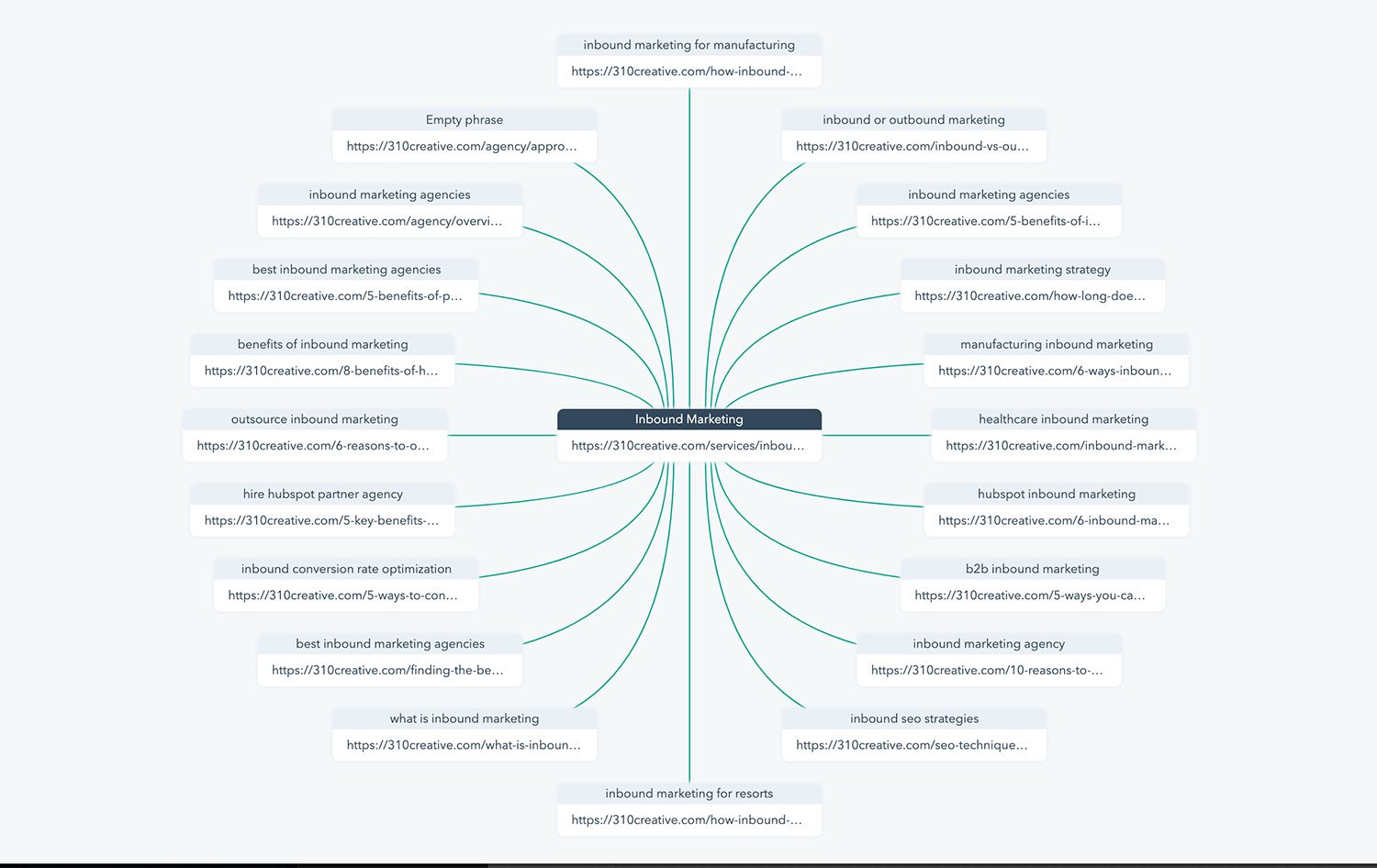
A structured URL mapping strategy is one of the most critical components of a WordPress redesign SEO migration. Search engines associate authority, backlinks, and historical performance with specific URLs. If those URLs change without controlled redirection, rankings and traffic can decline rapidly.
Every existing URL must be evaluated and mapped to its appropriate destination before launch.
Each URL should fall into one of the following scenarios:
- URL retained without change: The existing URL remains unchanged, preserving equity and requiring no redirect.
- URL modified but content preserved: The content remains relevant, but the slug or structure changes, requiring a direct 301 redirect from old to new.
- Content consolidated: Multiple URLs are merged into a stronger, unified page, with each old URL redirected to the consolidated destination.
- Content intentionally removed: The page is permanently retired due to irrelevance or duplication, and either redirected to the most relevant alternative or returned a controlled 410 status when appropriate.
A 301 redirect passes most of a page's link equity and signals a permanent relocation to search engines. Improper handling creates avoidable issues such as redirect chains, where multiple hops dilute crawl efficiency, redirect loops that trap crawlers, or soft 404 errors that signal weak content equivalency.
A redirect matrix should be created in a structured spreadsheet prior to deployment. This document should include the original URL, its destination URL, redirect type, and notes explaining the rationale. Preparing this matrix before the DNS switch ensures no high-value URL is forgotten and no authority is lost during launch.
In a WordPress redesign SEO migration, URL mapping is not a cleanup task performed after problems appear. It is a pre-launch safeguard that protects accumulated SEO equity and stabilizes search performance from day one.
Content and Technical Validation in a WordPress Redesign SEO Migration
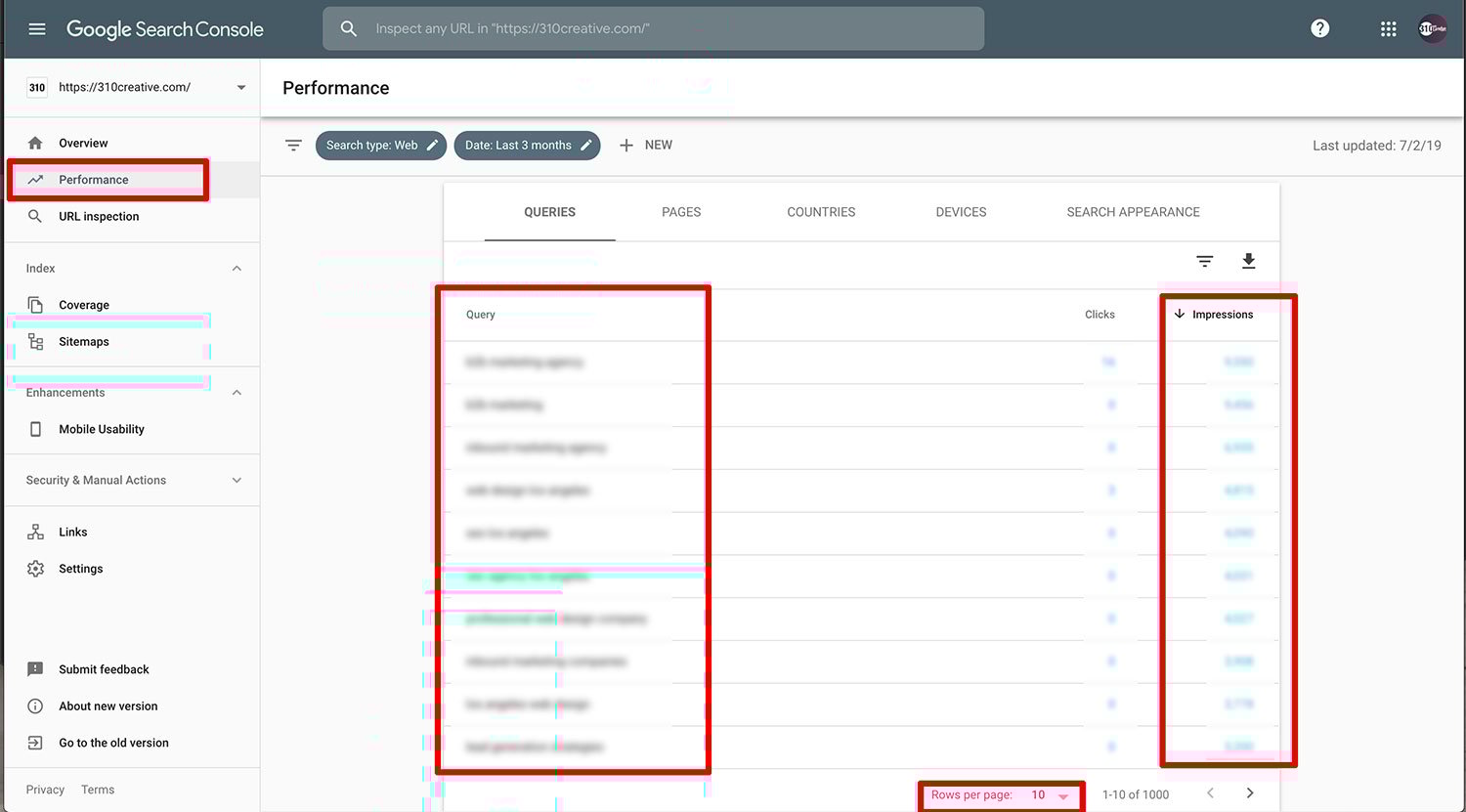
During a WordPress redesign and SEO migration, content must be carefully reviewed to prevent ranking losses. A visual update should not remove or weaken existing SEO signals such as optimized headings, internal anchor text, structured data, alt text, or semantic HTML structure. High-performing pages that drive traffic, conversions, or backlinks must preserve their keyword intent and structural integrity.
Changes to titles, H1 tags, or internal linking can shift keyword targeting and reduce stability. When consolidating overlapping content, redirects must be implemented correctly to retain authority.
Before launch, the staging environment should be reviewed as if search engines are already crawling it. Robots.txt settings and meta robots tags must be verified to ensure important pages remain indexable and no staging no-index directives are pushed to production.
Canonical tags, XML sitemaps, internal linking, pagination, and breadcrumb logic should reflect the final architecture. HTTP status codes must return proper 200 responses for live pages and 301 responses for redirected URLs.
WordPress-specific risks require additional attention. Permalink settings, category and tag structures, custom post types, and custom taxonomies can rewrite URL paths or alter hierarchy. Theme switches and page builder changes may modify heading structure, schema output, and canonical logic.
Replacing SEO or caching plugins can change how metadata and structured data are generated. Changes to media handling, such as image paths or lazy-loading behavior, can affect both performance and indexation.
Every structural adjustment should be validated before launch to prevent avoidable ranking volatility during the WordPress redesign SEO migration.
Internal Linking and Crawl Depth Preservation
During a WordPress redesign SEO migration, internal linking patterns often change more than expected. Navigation updates, layout restructuring, and template modifications can quietly alter how authority flows through the site.
Common structural changes that affect crawl behavior include:
- Primary navigation redesign that adds or removes category links
- Footer restructuring that reduces site-wide contextual links
- Sidebar removal that eliminates deep internal pathways
- Mega menu implementation that flattens or reshapes hierarchy
- Homepage layout changes that modify link prominence
Internal links distribute authority and signal importance to search engines. When high-authority pages lose internal links, their ranking stability can weaken. When important conversion pages are pushed deeper into the crawl path, discoverability decreases.
Crawl depth should be reviewed to ensure key pages remain within a shallow click distance from the homepage. Strategic linking between high-authority pages and high-converting pages should be preserved or improved, not reduced. A WordPress redesign SEO migration must maintain internal link equity while enhancing usability and navigation clarity.
Core Web Vitals, Structured Data, and Pre-Launch Validation
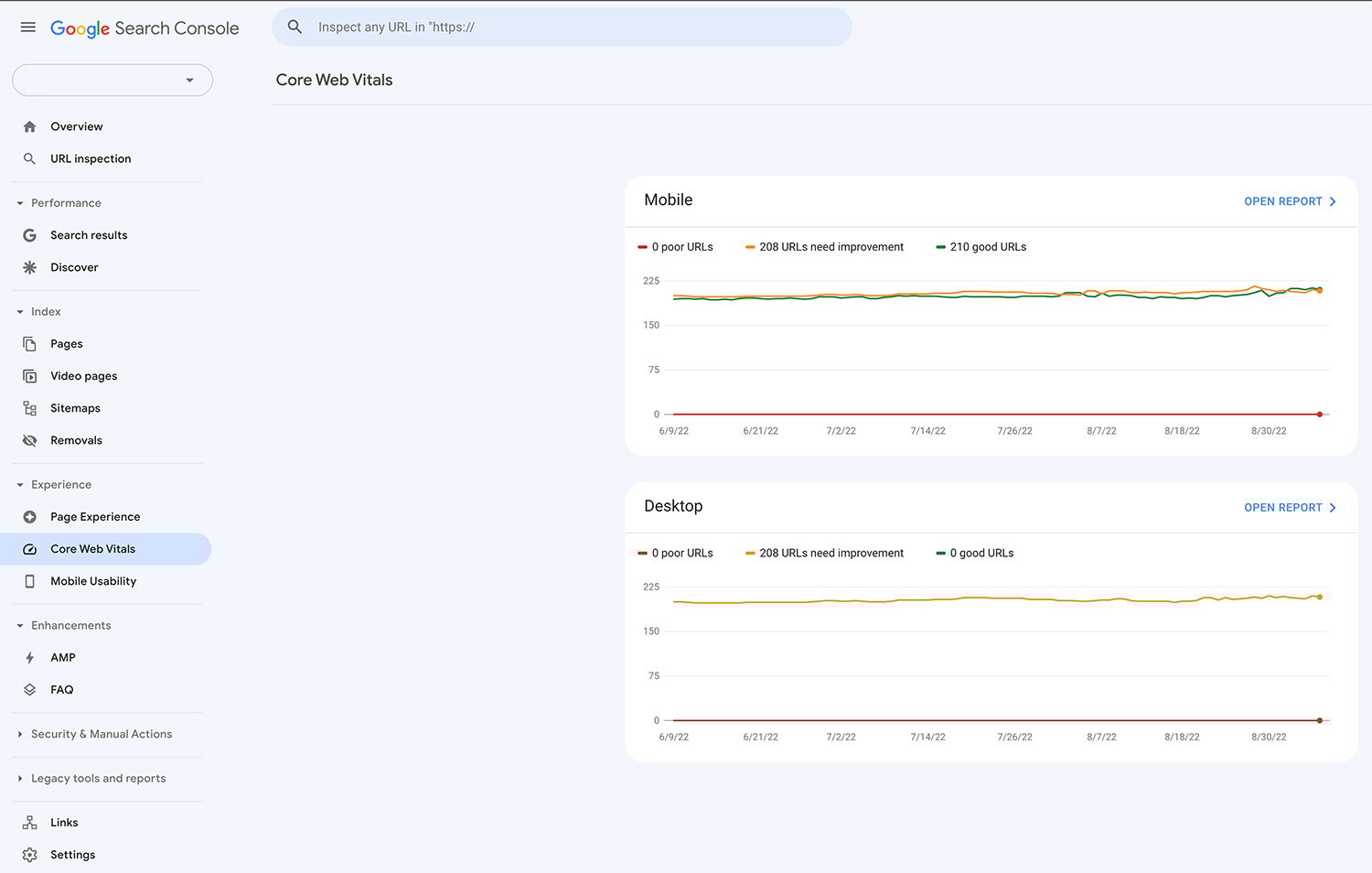
Performance often shifts during a WordPress redesign SEO migration, particularly when new themes, page builders, or visual frameworks are introduced. Design upgrades should not reduce loading speed or user experience signals that influence rankings.
Largest Contentful Paint can worsen when larger hero images or sliders are added. Cumulative Layout Shift may increase if layout space is not reserved for fonts or dynamic elements. Interaction to Next Paint can decline when heavy scripts or animation libraries are introduced without optimization.
Image compression, lazy loading, font delivery, JavaScript bundling, and template weight all affect performance outcomes. Replacing lightweight templates with JavaScript-heavy builds can delay rendering and impact crawl efficiency if not configured carefully. Core Web Vitals should be benchmarked before migration and validated again in staging prior to launch.
Structured data must also be reviewed during migration. Theme switches and plugin replacements can remove, duplicate, or alter schema output such as Article, Product, FAQ, Breadcrumb, or Organization markup. Even when content appears unchanged, underlying structured data and canonical relationships may shift. The schema should be validated in staging to ensure consistency and avoid losing rich result eligibility.
Before deployment, the staging environment must be tested under real crawl conditions. A full crawl should verify status codes, canonical tags, metadata output, redirect logic, and the integrity of internal linking.
Manual review of high-traffic pages ensures heading structure, schema, and conversion paths remain intact. Page speed testing at this stage prevents performance regressions from reaching production.
In a WordPress redesign SEO migration, performance, schema continuity, and technical validation must be confirmed before launch to prevent avoidable ranking instability.
Launch and Post-Launch Monitoring
In a WordPress redesign, SEO migration should follow a controlled sequence to prevent indexing disruption. Begin with a full backup of files and the database to allow rollback if critical issues appear. Activate the prepared redirect rules immediately when the new site goes live and verify that no-index directives or staging robots.txt blocks are fully removed in production.
Manually test high-traffic URLs to confirm correct status codes, redirect behavior, canonical tags, and metadata output. Critical conversion paths should also be tested to ensure forms, checkout processes, and tracking remain functional.
During the first two to six weeks after launch, rankings and traffic should be compared against the documented pre-migration baseline. Crawl errors, 404 reports, redirect validation, and index coverage must be reviewed regularly to detect mapping gaps or technical issues. Core Web Vitals and performance metrics should be monitored to ensure real-user data aligns with expectations.
Stabilization depends on disciplined monitoring and timely corrections rather than assuming performance will normalize on its own.
Common WordPress Redesign SEO Migration Mistakes
Traffic losses during a WordPress redesign SEO migration are usually caused by preventable errors. Launching without a complete redirect map leads to 404 errors and lost link equity. Changing URL structures unnecessarily introduces instability without measurable gain.
Removing or consolidating content without analyzing traffic, rankings, or backlinks can weaken topical authority. Internal linking is often reduced during navigation redesigns, which decreases crawl visibility and authority flow.
Technical oversights, such as leaving no-index active, breaking canonical logic, losing schema output, or creating redirect chains, can reduce index quality. Many migration failures occur not because of algorithm updates, but because structural safeguards were overlooked.
Post-Migration Governance and Long-Term Stability
A WordPress redesign SEO migration does not end at launch. Once rankings stabilize, long-term performance depends on maintaining structural consistency and monitoring search signals. Redirect rules must remain active and validated to protect legacy backlinks, and permalink or taxonomy structures should not be altered casually after migration.
Crawl behavior, index coverage, and performance metrics should be regularly monitored in Search Console, analytics, and log analysis to detect early signs of structural imbalance. High-performing pages should be reviewed periodically to maintain keyword alignment and internal linking strength.
All redirect mappings, URL decisions, plugin changes, and structural updates should be documented in a centralized migration log. Clear ownership of SEO settings and publishing standards ensures that future updates do not unintentionally weaken the foundation established during the WordPress redesign SEO migration.
Share this
Subscribe
Recent Posts
NEED TO INCREASE REVENUE?
Improve Your Marketing ROI
Let’s talk and see how we can help you scale a steady stream of new leads, customers and revenue.
